
- Music
- 08 Mar 26
Cabaret Voltaire: "We were never restricted or anchored by the idea of being a pop band – we were more experimental and always tried different things"








As Sheffield industrial pioneers Cabaret Voltaire mark their 50th anniversary with a farewell tour, Stephen Mallinder discusses their early gigs with Joy Division, influencing Nine Inch Nails, collaborating with rock wild man Al Jourgensen, and the group’s unique association with Ferris Bueller.
This year finds groundbreaking Sheffield industrial act Cabaret Voltaire embarking on a final tour to mark their 50th anniversary. Part of the vibrant ’70s/’80s Sheffield electronic scene that also spawned the Human League and Heaven 17, Cabaret Voltaire – formed by the trio of Stephen Mallinder, Chris Watson and Richard H. Kirk – had a dark avant garde edge that reflected the political tumult of the times, yielding cult classic albums like 1980’s The Voice Of America, ’83’s The Crackdown, and Micro-Phonies from the following year.
Initially calling it quits in 1994, the group was revived by Kirk as a solo project from 2009 until his untimely death in 2021. Now, Mallinder and Watson have undertaken to give the Cabs a proper send-off, with a live production boasting the kind of impeccable sound and memorable visuals for which the band are renowned.
When I catch up with the friendly Mallinder in his Brighton home, he notes how remarkably quickly time has passed.
“It’s weird, it doesn’t feel like half-a-century at all,” he considers. “But then again, time gets elusive as you get older. I’ve been continually making music, so that’s been a constant. What’s important is the work we did and what inspired us to do it. The key question is not the length of time, but its relevance today.
“It was a case of wanting to do something for a number of reasons: for the 50th anniversary; to acknowledge Richard’s passing; and to do it while we could, basically. So it’s partly a celebration and partly a reminder of the themes we explored, and how they’re still relevant, both in the music and the visuals.”
There’s no denying the ongoing power of both the Cabs’ music and imagery. In particular, the eerie, dystopian cover of Micro-Phonies – showing a prisoner with his face swathed in bandages – could plausibly be a photo from today’s social media feeds.
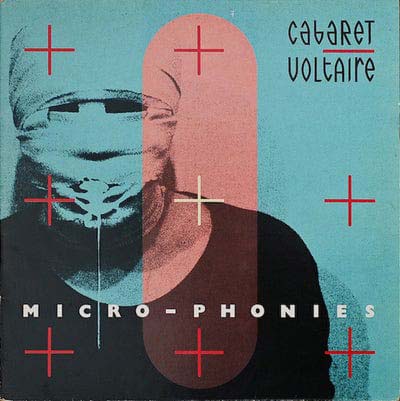
“It was called ‘Hunger Striker’,” Mallinder explains of the sleeve. “It wasn’t done in a specific political context, but increasingly, you realise how little has changed. We’ve seen what’s been going on in the Middle East and Ukraine, the kind of eternal war context in which we live. I’m glad you feel that, because it’s important for us to still feel relevant.”
It seems as if the Cabs always had a darker timbre than their more pop-oriented Sheffield contemporaries.
“I think we did,” Mallinder reflects. “But then again, one of the early Human League EPs had ‘Being Boiled’ on it – there is depth to them. Phil was at our Sheffield gig, actually. We grew up around them and came from the same world; we were just different sides of the same coin. The other thing with the Human League is they had big hits, which kind of shaped how people perceived them.
“The kind of music we make, those tracks have resonated with people and stood the test of time. But we were never restricted or anchored by the idea of being a pop band – we were more experimental and always tried different things.”
Like their fellow industrial pioneers Throbbing Gristle – who expressed interest in signing them to their label – Cabaret Voltaire’s determinedly avant garde approach positively scandalised audiences, with some early shows ending in riots.
“Well, we couldn’t wow the world with our musicianship,” Mallinder acknowledges. “TG were a bit older than us, we were in our late teens when we started out. When you’re that age, the idea of being shocking is good – we quite enjoyed it. We were pre-punk, but we had that punk attitude of challenging authority, so it was part of what we did. It wasn’t contrived, but it was certainly something we were happy about, because it gave us a bit of notoriety. There was a prankster element to it.”
Their early days also often found the band sharing the stage with Joy Division.
“We were on Factory and played loads with them,” Stephen recalls. “We were very close to them, and after Ian died, we were close to New Order as well. Manchester’s only a 50-minute drive from Sheffield – we always consider it a suburb of Sheffield! They were like us, northern working class kids. So we related to them on that level.
“On a very personal level, we connected with them, but they were also proper musicians. That was a zeitgeist moment – Joy Division captured it. Even though they’d come through the punk thing and we’d been doing stuff a lot earlier, there was something about what they were doing that we loved. Ian was lovely – he was such a sweet guy, he was brilliant.
“Obviously, thinking back now on how it ended, it was tragic. But he was a mesmerising performer, and the music they made was a perfect backdrop for him. They were unique. I was just talking to someone the other day about how, when we’d do gigs with Joy Division, whoever had the furthest to travel home would go on first. It was quite ego free.”
Another moment highlighting the ongoing relevance of Cabaret Voltaire is the eerie video for their industrial dancefloor hit ‘Sensoria’, directed by Peter Care, who went on to forge a brilliant career, also helming promos for the likes of REM, Bruce Springsteen, Depeche Mode and New Order.
“I’ll tell Peter that, he’ll be really pleased,” Stephen enthuses. “He lives in LA, but I’m in constant contact with him – I worked with him on getting a lot of the visuals for these live shows. We do a homage to Peter, because he did quite a few videos, and we also soundtracked his Johnny YesNo film.
“Again, Peter was someone we met when he was teaching at the Sheffield Art College. We grew up with a lot of these people – it’s the same with Neville Brody, who did the Micro-Phonies artwork. We were a collaborative kind of affair.”
Elsewhere, Mallinder has also had some fascinating extra-curricular collaborations, working with Soft Cell’s Dave Ball – who sadly passed away in October of last year – in the band Love Street, and with Ministry’s Al Jourgensen in Acid Horse.
VISIONARY WORK
“The record I did with Dave Ball from Soft Cell was a one- off,” he says. “We were in a lull and taking a bit of a hiatus from Cabs stuff. I mean, I knew Dave, because he’d been on our album The Crackdown. He’d programmed some drums and synth stuff, and we shared the same manager as Soft Cell, so we grew up around each other. Dave’s recent passing was very sad, very moving. He was such a great guy.
“Acid Horse we did with Al Jourgensen, Chris Connelly and Paul Barker. That was done because Richard and I were in Chicago recording Groovy, Laidback And Nasty with Marshall Jefferson and all the house guys – we were over and back quite a bit. We were there for about a month, and we worked at night with Marshall, because that was the only available slot in the studios.
“So we used to work from seven at night until seven in the morning. Which was weird, but it did mean that, in the day-time, apart from getting a few hours’ sleep, we were free to do what we wanted. Al tempted us into doing some stuff while we were kicking around.”
Celebrated for his visionary work with industrial heavyweights Ministry and Revolting Cocks, Jourgensen enjoys a parallel reputation as one of the true wild men of rock. Indeed, even by the debauched standards of rock autobiographies, his 2015 memoir, Ministry: The Lost Gospels According To Al Jourgensen, hits new heights – or depths – of drink and drug-fuelled mayhem. What was he like to work with?
“A fucking nutter!” says Mallinder, candidly. “But no, he’s lovely, and a character; he’s brilliant. He has such funny stories, and he’s so much a part of the American rock myth – he personifies a lot of that, when you think of Revolting Cocks, Ministry and Lollapalooza. It’s hedonism, that kind of energy – the whole attitude of it. So he’s very significant in that way, and I’ve only got good memories of him really. I survived – so yeah!”
In the ’80s, Cabaret Voltaire had a huge influence on an emerging generation of industrial and electronic acts, including confirmed Cabs fans Nine Inch Nails. It must be one of the most gratifying aspects of the band’s legacy.
MASSIVELY FLATTERING
“It is, on lots of levels,” Mallinder nods. “I actually went to see Trent and Atticus play about three months ago. Obviously, it’s massively flattering to know you’ve had an impact. Trent’s gone on and done amazing stuff, I love the soundtrack work he does as well. Again, there’s that visual aspect the Cabs pushed. So it’s very flattering, but at the same time, it’s nice on different levels to see the legacy of the band.
“On the UK dates we did at the end of last year, we chose younger artists as support acts. They probably weren’t born when the Cabs were originally around – but they represent that legacy. We were kind of connected with the Gut Level club in Sheffield, which has a lot of young trans artists running their stuff.
“They took their name from a Cabs track, and they massively acknowledge the influence we had. It’s great we’ve had some sort of connection with, or impact on, artists like Trent Reznor. But it’s just as gratifying to know we are influencing, and understood by, artists who are doing it 50 years later as well. Trent’s brilliant, but it’s also great to know there are 20-year-old artists who are massive Cabs fans.”
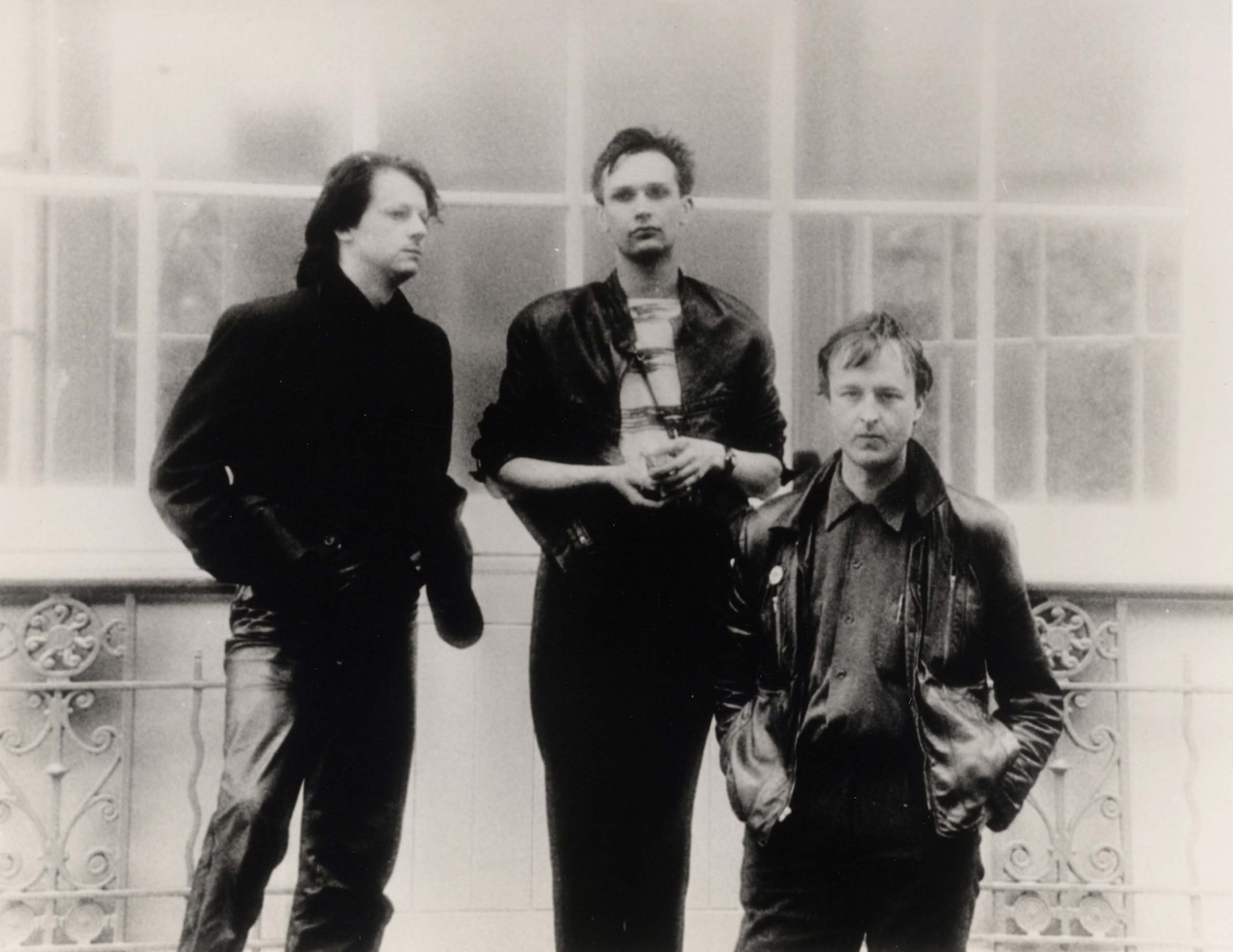
Finally, I mention that when preparing our interview, seeing the Micro-Phonies sleeve prompted an uncanny feeling. I couldn’t place where I recognised it from, until one article on the band identified it – in ’80s teen classic Ferris Bueller’s Day Off, a poster of the album famously adorns the bedroom wall of the titular character.
“It’s really funny,” says Mallinder. “Because what’s-his-name who made the film [John Hughes] was a big Cabs fan. We didn’t get any syncs off him, which is really weird, because people strangely seem to remember that more than they do the tracks in the film. I’ve drunk out on that one for many years – it’s quite a significant film to somehow be connected with.”
• Cabaret Voltaire play the Academy, Dublin on October 7, and the Limelight, Belfast (8).


RELATED

- Music
- 21 Sep 26
José Gonzalez announces Vicar Street show


- Music
- 21 Sep 26
Rua Rí announces first Irish headline tour


- Music
- 21 Sep 26