
- Lifestyle & Sports
- 13 Jun 26
World Cup 2026: "For Haiti, it’s a reclamation of pride, history and identity after decades of struggle"








Haiti’s World Cup return offers a welcome moment of national pride for a country gripped by gang violence, displacement and humanitarian crisis.
It’s November 2025 and a 2-0 victory over Nicaragua in Ergilio Hato Stadium, Willemstad, has sent Haiti – the poorest nation in the western hemisphere – into their first World Cup since 1974. The streets of the gang-controlled capital Port-au-Prince are briefly transformed from a war-zone to a carnival, as Haitians revel in rare celebrations.
Thousands of fans flood the streets while heavy rain beats down, blaring music from speakers and chanting, “Haiti has qualified, we don’t have a state.” It’s a thinly-disguised reference to the political instability rocking the country.
“A World Cup isn’t just a tournament,” one fan wrote on X. “For Haiti, it’s a reclamation of pride, history and identity after decades of struggle.”
“This is more than just football, it’s a moment of pure hope and unity that everyone in Haiti needed,” said another.
Prior to its qualification for the World Cup, the Caribbean country typically featured in news headlines for sexual violence, gang conflicts and humanitarian catastrophes. It was devastated by an earthquake in 2010, which killed 220,000 people and left over 380,000 injured. The following eight years of poverty and hunger led to protests in 2018 – and the subsequent assassination of then-president Jovenel Moise in 2021.
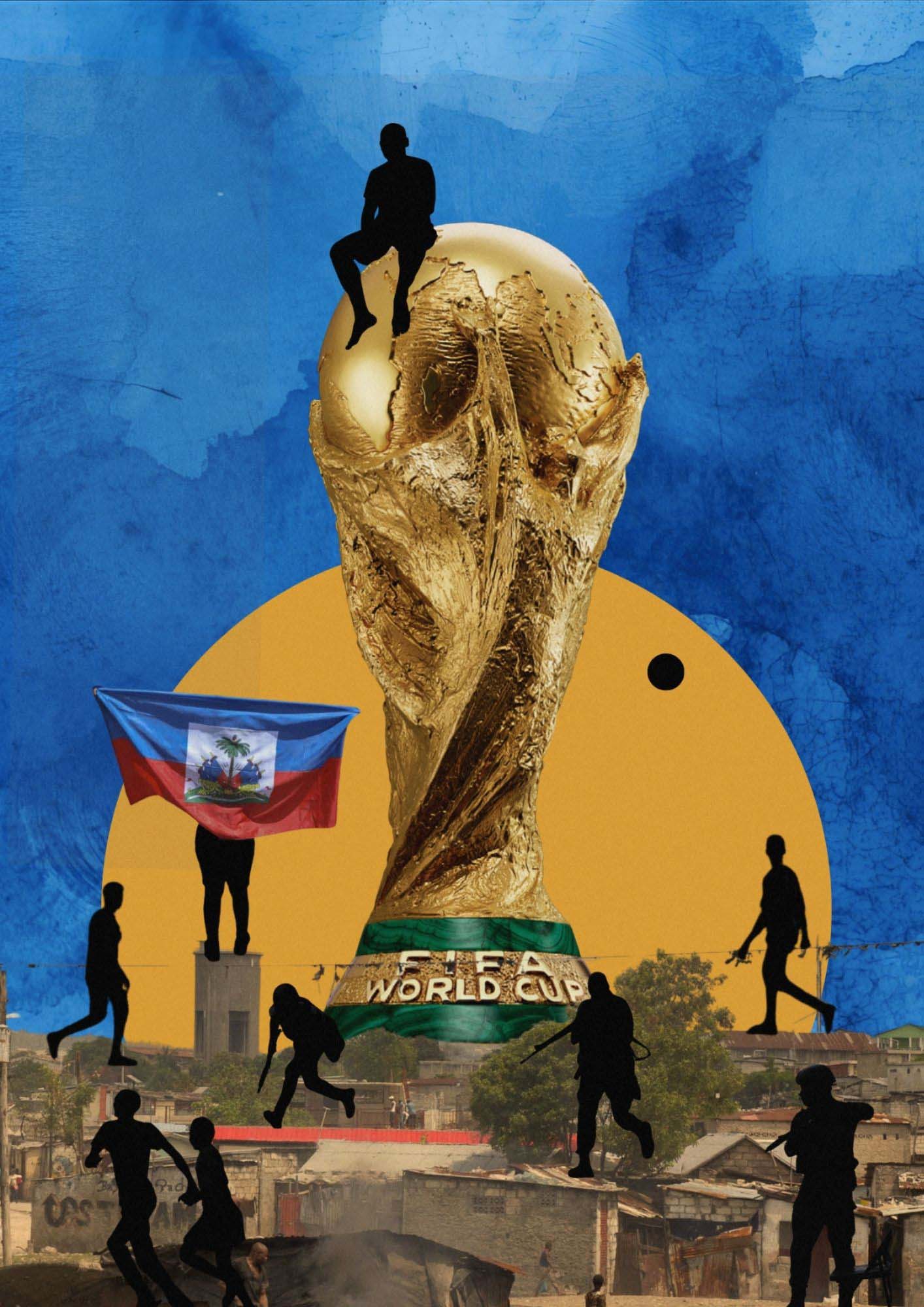
Illustration: Aisling Mullaney
HISTORY LESSON
In fact, Haiti has faced a revolving door of crises since the nation was born out of a slave revolt from the French colony of Saint-Domingue in 1804. After the revolt, they were coerced into paying millions in reparations to France, plunging them into severe debt. The United States invaded in 1915, seizing gold, and brutally thwarting the rebellions of conscripted slave labourers before leaving the country in 1934.
There are several Irish connections with Denis O’Brien’s Digicel telecom company formerly the single biggest foreign investor in Haiti, and the Glencree Centre for Peace and Reconciliation from 2009-2012 facilitating talks between rival gangs. Just before the latter ended, the country’s former ex-musician president, Michel ‘Sweet Micky’ Martelly flew over to Dublin where he was officially received by Enda Kenny. Believe it or not, news of the historic visit was broken in Haiti by Hot Press!
Over the past month, a United Nations-backed, multi-national gang suppression force comprising the US, Bahamas, Canada, El Salvador, Guatemala, Jamaica and Kenya has been stationed in the country. The coalition aims to suppress the gangs that have taken over infrastructure, trafficked humans and drugs and extorted local businesses.
Even still, ethical concerns have been raised about this new offensive, as of the 10,000 to 20,000 gang members, it’s estimated that between 30 and 50% are children who have been recruited or trafficked.
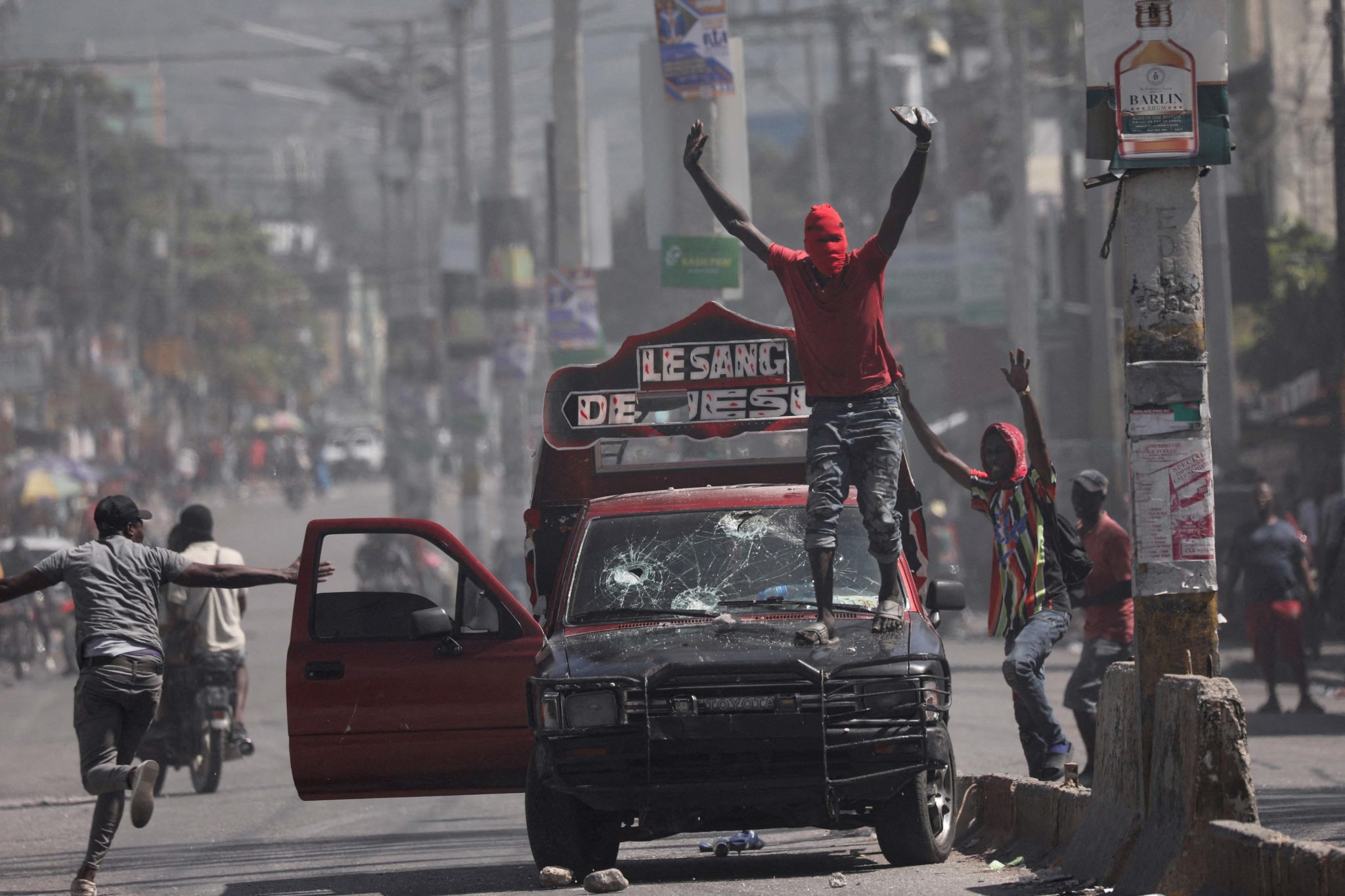
In the first quarter of 2026, more than 1,600 people have been killed as this diverse coalition tries to wrestle back control of the capital from the gangs who hold sway of 95% of the city. Over three-quarters of those killed or injured were from operations carried out by security forces, while 69 civilians and five children were caught in the crossfire.
BIGGEST PROBLEMS
Audrey Hernandez, the Director of Haiti for Concern, has been working in the country since 2024, leading a team which administers aid in Port-Au-Prince. One of the biggest problems her team faces is moving around the city, as gangs have taken control of roads and other transportation infrastructure.
“People are really stuck inside Port-au-Prince,” says Hernandez. “You can’t go in on national roads. One of them is completely blocked by one armed group, another one is blocked by another armed group. You face the risk of being kidnapped and you have to pay to be freed, so that’s really complicated.”
Along with kidnapping for ransom, extortion of businesses and drug trafficking, gangs are also responsible for large-scale sexual violence. Gang rapes or cases of sexual exploitation have been perpetrated against more than 292 victims in the first quarter of 2026, mainly girls aged 12 to 17.
“The number of sexual violence cases last year, that was the worst figure we have seen in many years,” Hernandez continues. “It’s not just rape committed by one perpetrator. It’s multiple perpetrators and it’s happening a lot. How will these children grow up and how will they be able to develop as a person while they are experiencing all this?”
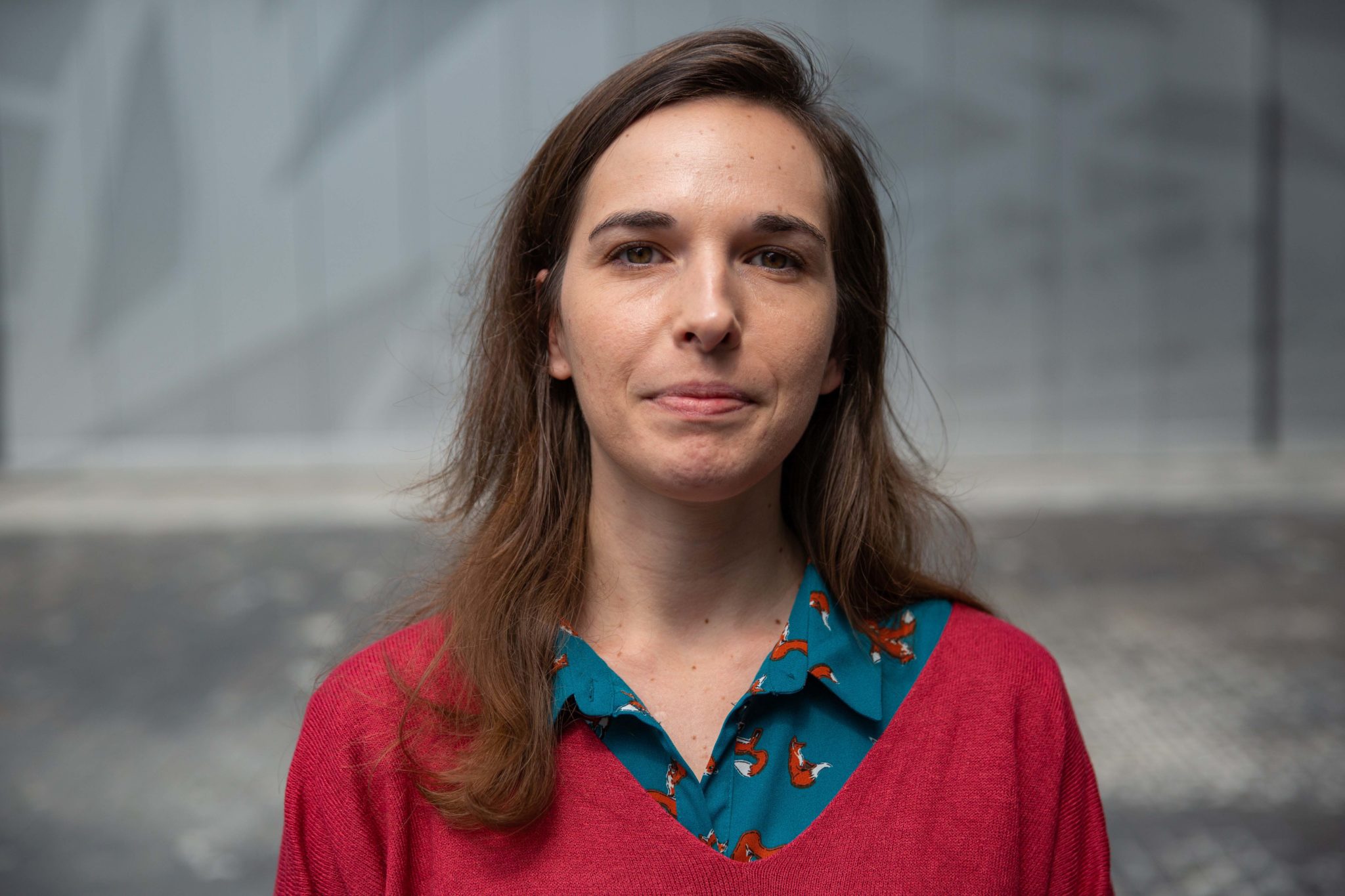
Audrey Hernandez
Concern’s main office is in Pétionville, an area of Port-Au-Prince that has largely been insulated from armed groups. It’s a place where one can almost have a “normal life”, despite territory controlled by violent, armed groups close by.
Concern has worked in the most deprived areas of Haiti for over two decades, which has helped the organisation maintain a level of acceptance with the armed groups. Even still, they frequently have to renegotiate access as territorial control changes among the gangs.
“We have to renegotiate access a lot of the time. It means that we need to explain what we are doing, why we are doing this, how and why it’s important. They are organised like an association.”
Despite their circumstances, Haitians remain remarkably patriotic. Hernandez believes this World Cup has the opportunity to provide respite, referencing their qualification-clinching game in November.
“Everyone was watching the match, of course,” she says. “And when it ended, when they knew they would qualify, it was an amazing joy everywhere. For a few days, it was almost like everything was alright and everyone was so happy. When you have something like this, it is just what they need and that changes the atmosphere. This kind of thing can bring everyone together.”
Travelling to America for this World Cup is impossible for those living in Haiti. The United States imposed a travel ban on the country in 2025, while the national airport has had severely restricted operations due to gang control. Tickets for their opening game against Scotland start at $600, over three times the average monthly wage of Haiti.
Despite being unable to travel to the United States, Haiti will be well represented at their games through a diaspora estimated at 1.1 to 1.5 million. While at home, Haitians will passionately support their team. If their qualification campaign is anything to go by, thousands will take to the streets and huddle around decades-old televisions and swathe themselves in makeshift jerseys and scarves.
So rare in the history of Haiti, there will be unity. Hernandez hopes this achievement will increase awareness of the issues the country faces. Millions will watch their three group stage fixtures, and with all these eyes on their football team, she hopes a light will be cast on the humanitarian crisis in the country.
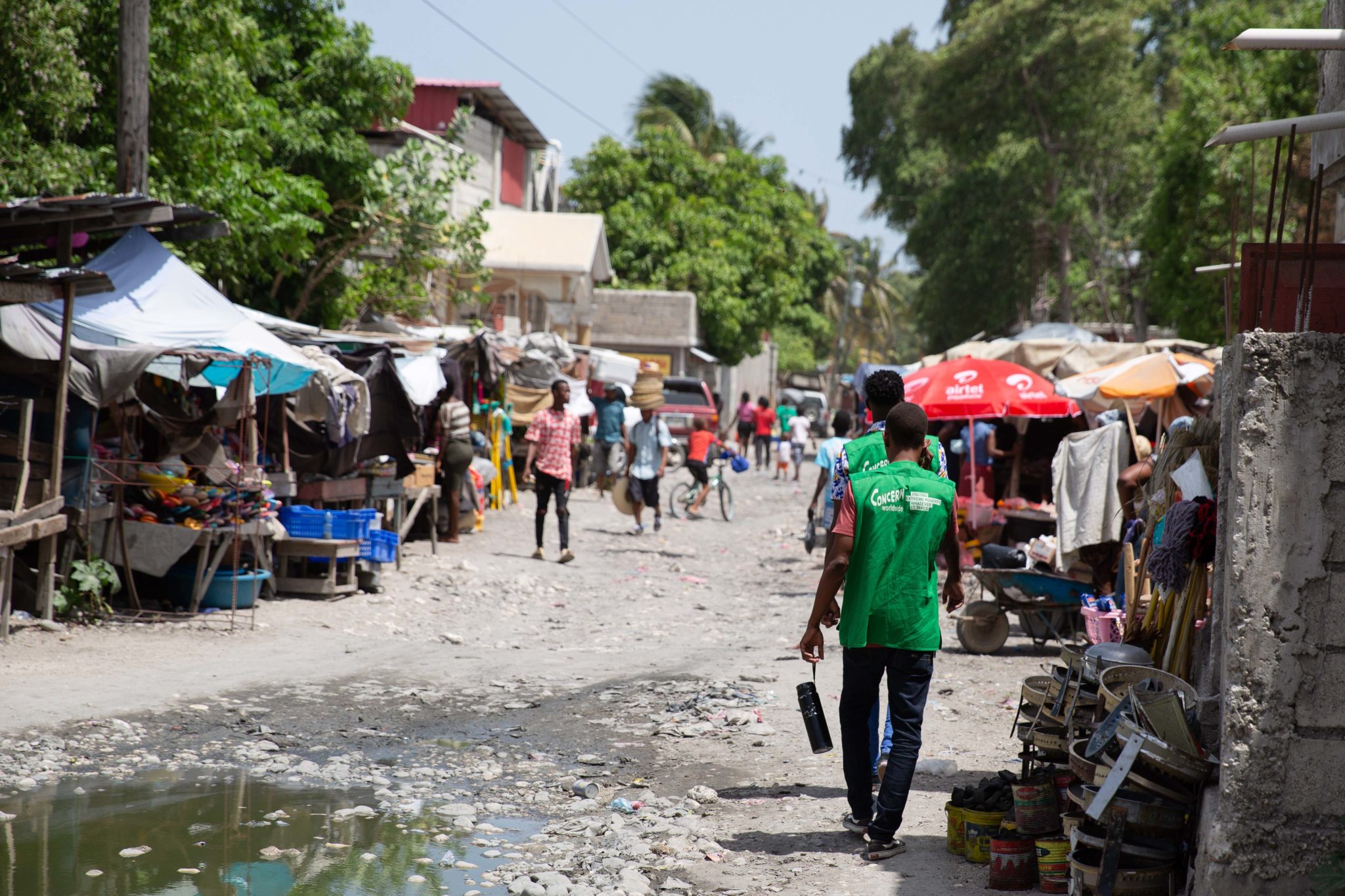
Concern team members on the streets of Cité Soleil in Port-au-Prince, Haiti. Photo: Kieran McConville/Concern Worldwide
“Do they realise what is happening just a few kilometres from the United States?” she asks. “Do they realise there are people who are now living outside and have not eaten for a few days? This is the situation that has been ongoing for more than four years now, and it’s not evolving and it’s becoming crazier. There are some children who were born in this situation and never knew anything else apart from violence.
“How will these children grow? Even if they watch this match on TV, and be happy to see their team winning, as soon as it ends, they will hear the gunshots and see violence. How can we let that happen? That will be my question, because everyone is focusing on all the other crises and we don’t speak enough about this one. I think we can do something if there is a true involvement.”
WORLD CUP RETURN
The players know that a goal, let alone a victory, will briefly alleviate some of the pain Haiti is suffering.
“We know the situation right now is critical, but I think football can give the people hope,” says Jerome Salbert, an agent who works closely with the Haitian Football Association. “I know it’s only football, but maybe the gang activity will slow down a little bit as everybody focuses on the World Cup.”
Haiti’s preparation for the tournament has been marred by the current security situation. They haven’t played a home game since 2021 and numerous figures around the squad have never even been to the country, which makes their qualification all the more remarkable.
Salbert has been pivotal to Haitian football, as he recommended their current manager Sebastian Migne as head coach in 2024. The agent also helped bolster the squad, with his involvement in recruiting Wolves midfielder Jean-Ricner Bellegarde and Sunderland striker Wilson Isidor to the national team set-up.
Like others around the squad, Salbert has never been to Haiti, but says the large Haitian diaspora in his home nation of Guadalupe has helped him understand their culture. Salbert also explained that even though some players and staff might only have distant connections to the country, it’s important for them to be aware they are representing a nation, and that they have the power to make a change.
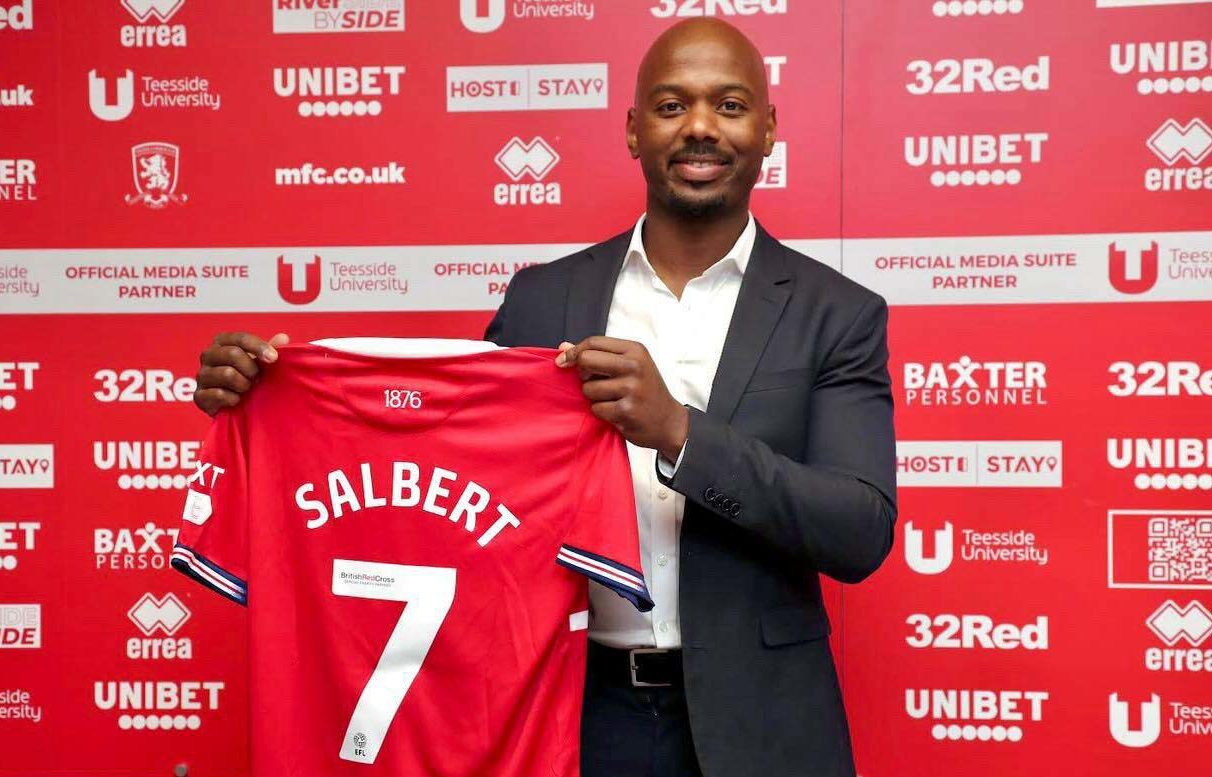
Jerome Salbert on a visit to Middlesbrough F.C.
“It’s good to explain to them that their contribution to the team can help the country to move forward,” he says. “Football is an emotional industry. That gives a lot of positive things, like the faith and the belief that everything is possible.”
Haiti faces a sizable challenge to progress to the knockout stages. They are in a tough group which comprises Scotland, Brazil and Morocco, and will need at least three points (one win or three draws) to have a chance of making it through.
“It will be a tough World Cup for Haiti,” says Salbert. “We must be very clear that it’s a tough group. Every game is a final, we must do our best, but it will be very difficult.”
Haiti’s qualification may not remove the armed groups controlling the capital, return displaced families to their homes or make the delivery of aid any easier. However, their footballing achievement is still significant. The national team will be a source of pride for a country so often spoken about through the language of conflict and crisis.
When Haiti take to the field at the World Cup this summer, they will do so carrying more than just the hopes of a football team. They represent a country caught between celebration and catastrophe. The crisis in Haiti cannot be ignored, but for three weeks, they’ll be the opponents of Scotland, Morocco and Brazil, rather than a country in the grip of crisis.
• For more World Cup coverage stay tuned to hotpress.com
RELATED

- Lifestyle & Sports
- 15 Oct 26
Cocktail Recipe: Hennessy Pineapple – vibrant, easy-drinking and perfectly balanced

- Lifestyle & Sports
- 15 Oct 26
Talking Reds in support of IPFBA changes venue from Vicar Street to The Button Factory

- Lifestyle & Sports
- 09 Oct 26
Irish football and culture label launch Gavin Bazunu collection in aid of Palestine Red Crescent Society
RELATED


- Lifestyle & Sports
- 05 Oct 26
Spitting allegation follows second Republic of Ireland match against Israel

- Lifestyle & Sports
- 02 Oct 26
'Stop The Game' protest held at Aviva Stadium during Republic of Ireland's Nation's League Match with Austria
- Lifestyle & Sports
- 29 Sep 26
Protests planned ahead of Ireland versus Israel match on October 4

- Lifestyle & Sports
- 28 Sep 26
Minding Creative Minds to hold October Meet & Greet and other events
- Lifestyle & Sports
- 28 Sep 26