
- Culture
- 28 Oct 26
Jon Ronson: "It does feel like that particular type of masculinity, which you see in the manosphere, is now being politicised in Trump's America."


Acclaimed journalist Jon Ronson on exploring the manosphere in The Castle, attending the UFC event at the White House, and the malign aspects of AI.
Journalist Jon Ronson’s ongoing chronicles of the weirder aspects of modern life continue with The Castle, which begins with the author receiving strange late night texts from his adult son Joel, who explains he’s been lured to a mysterious castle in a New England forest.
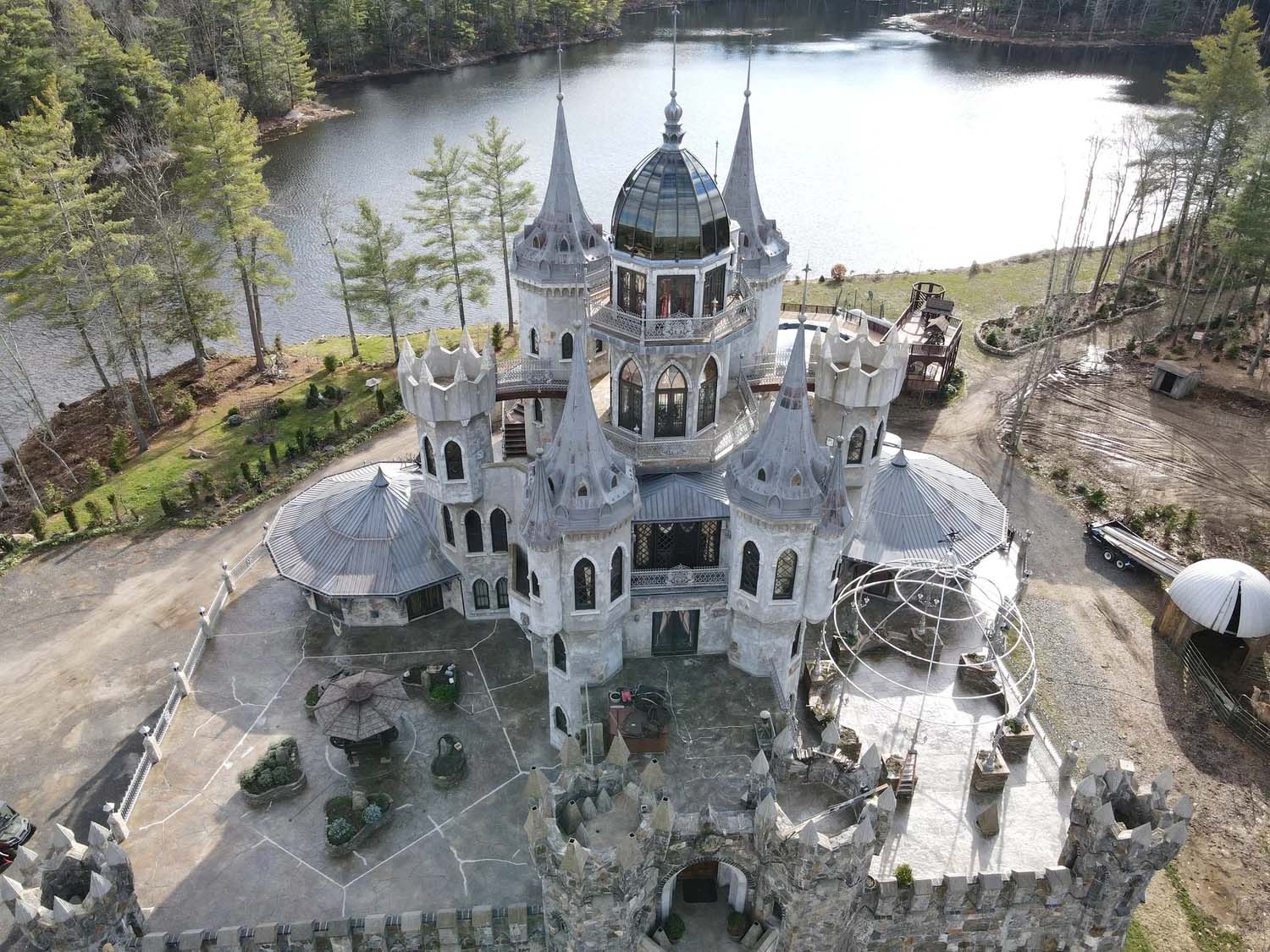
Truth being stranger than fiction, further investigation by Ronson revealed that the building belonged to steel fortune heir Chris Mark, who was in the process of recruiting young women to participate in an amateur reality TV project, called 101 Princesses.
The concept of the mooted series was that Mark was searching for his queen among an array of “princesses”, as he sought to live out his gaudy, Hugh Hefner-style fantasy. Mark viewed the castle – where he even occasionally kept pet camels – as his own Playboy mansion-style retreat, complete with drawbridge, towers, underground botanical gardens, thrones and plenty more.
This decidedly unlikely story provided Ronson with a launching pad to explore the contemporary crisis in masculinity, which has been fuelled from by a variety of factors, including the collapse of traditional industries, economic turmoil and changing social norms. It’s a landscape that’s given rise to the manosphere and other toxic environments, with often drastic socio-political fallout.
It’s perhaps fitting that my one prior encounter with Ronson was under odd circumstances. Exactly 25 years ago, on my way to one of my very first Hot Press assignments – reviewing an Orb gig – I had to pop into the IFI to use the bathroom. As I washed my hands, who should I find standing beside me only Ronson, who I recognised from his Channel 4 series Secret Rulers Of The World, broadcast earlier in 2001.
In that remarkably prescient show, the Welsh journalist explored an emergent brand of fringe – at least then – conspiratorial thinking, as embodied by the likes of David Icke and Alex Jones. Fast forward quarter-of-a-century, and it is genuinely astonishing that the views purveyed by figures such as Icke and Jones – then considered among the pre-eminent headbangers of that or any other era – have now gone completely mainstream. As someone wise once put it, the truth lacks credibility.
“When I look back on those times, it felt like something was brewing,” considers the amiable Ronson, now 59, when I catch up with him in his upstate New York home. “This was just before 9/11, and I guess there were chapters in the book about militant Islamists. So yeah, it felt like something was growing, but it’s become so mainstream and I never anticipated that. The first moment I saw that happening was when I was at the gym in 2016.
“There was this awful moment in the culture where people were so interested in Trump – and so uninterested in Hillary Clinton – that instead of showing a Hillary Clinton speech, they would show the empty lectern from which Trump would soon speak. I immediately thought, ‘We’ve got a problem here.’ Anyway, I’m at the gym and Trump’s speaking, and just as I was putting on my headphones, somebody says, ‘Are you going back on the Alex Jones show?’ And Trump goes, ‘Alex Jones – nice guy.’
VERY BIG SURPRISE
“Honestly, I nearly fell off the treadmill. So it did come as a very big surprise to me. And terrible, because it goes without saying, you don’t want people who have that kind of relationship with the truth in positions of power. But now, we have nothing but people with odd relationships with the truth in positions of power.”
In 2026, the aformentioned Mark seems to represent a particular type in the culture – ultra-wealthy, entitled, and apparently possessing more money than he knows what to do with.
“I think that’s all true,” says Ronson. “The world is changing, and there are certain things men used to be able to do that we can’t do anymore.” Like govern.
“(Laughs) It is fascinating,” he continues. “There are all these kind of privileges we’ve always felt are ours, and suddenly, they’re not anymore. Some men are moving with the times, and others feel lost and adrift, and don’t know what to do. As I say in the book, they’re feeling tossed around in this sea of conflicting ideologies, as to what being a man actually means these days. And then some men are creating these kind of fantasy bubbles for themselves, where it’s like, ‘Fuck you – I’m going to behave exactly how I want inside this bubble.’ I think Chris is one of those men.
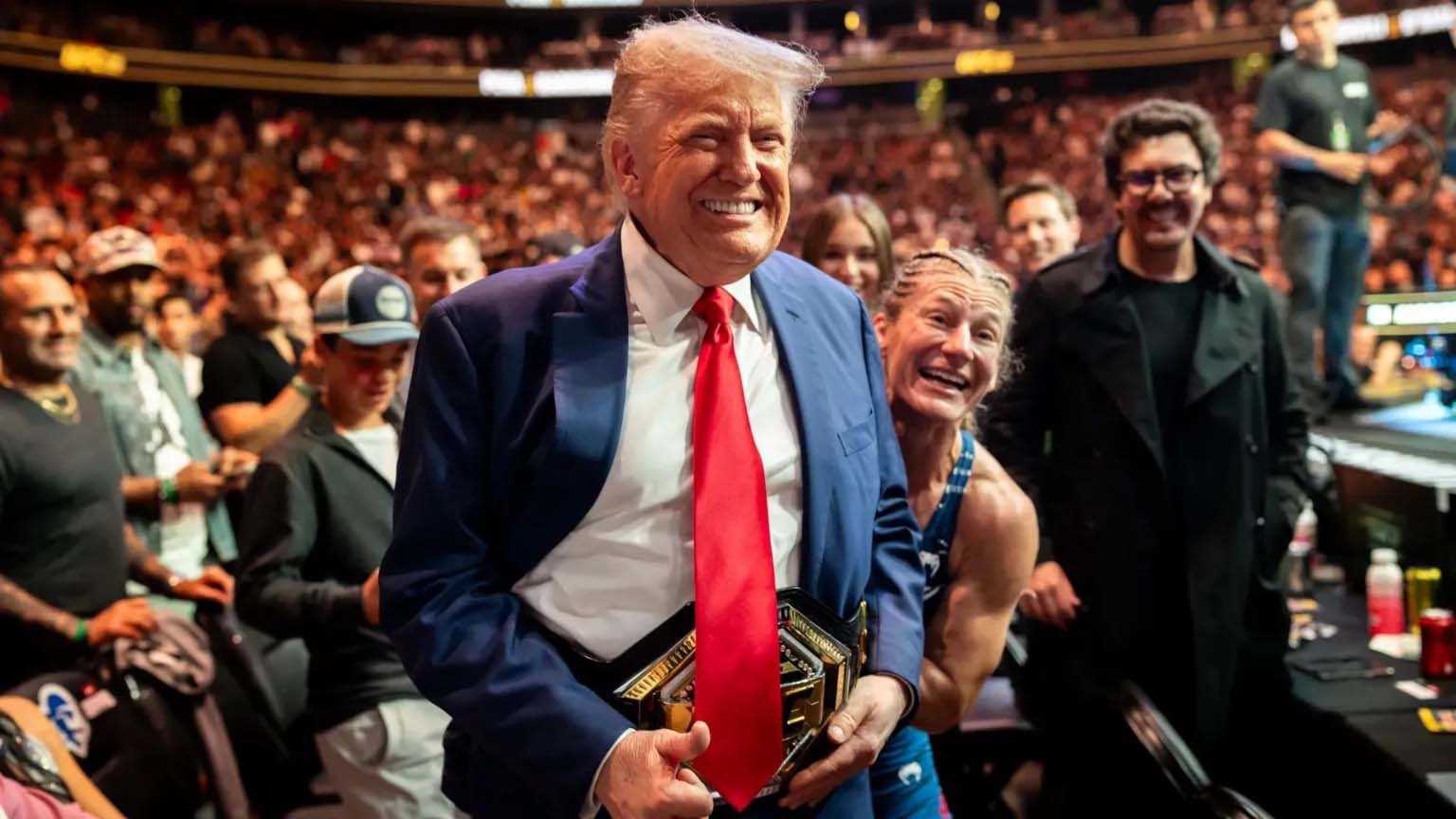
“He doesn’t want times to change, so he has the resources to create this sort of fantasy world for himself. I thought that was interesting, surprising and startling, and also funny – there’s humour in that.” All stuff Ronson was given further cause to consider earlier this year, when he was among a select group of journalists to attend – and how unlikely would this scenario have appeared back in 2001? – the UFC event President Donald Trump hosted on the White House lawn.
SNAPPING BACK
“I wrote an article about it, and I’m hopefully going to put it in the paperback edition of The Castle,” he notes. “Several things happened during my week at the White House, where men were trying to create that kind of bubble, but it wasn’t working anymore. Real life was snapping back. I was talking to this fighter called Sean O’Malley, and I said to him, ‘You have an open marriage – surely that doesn’t work?’
“Cos for years, Sean O’Malley’s been boasting about how he’s allowed to have sex with other women, but his wife isn’t allowed to have sex with other men. He said, ‘Well, as Andrew Tate says, I’m allowed to do this, I have status.’ So I said to him, ‘How’s the open marriage going?’ And he said, ‘Well, you know, it worked until it stopped working.’ Basically, his wife has forbidden him from doing it anymore, and he looked so baffled at this terrible change in his fortunes.
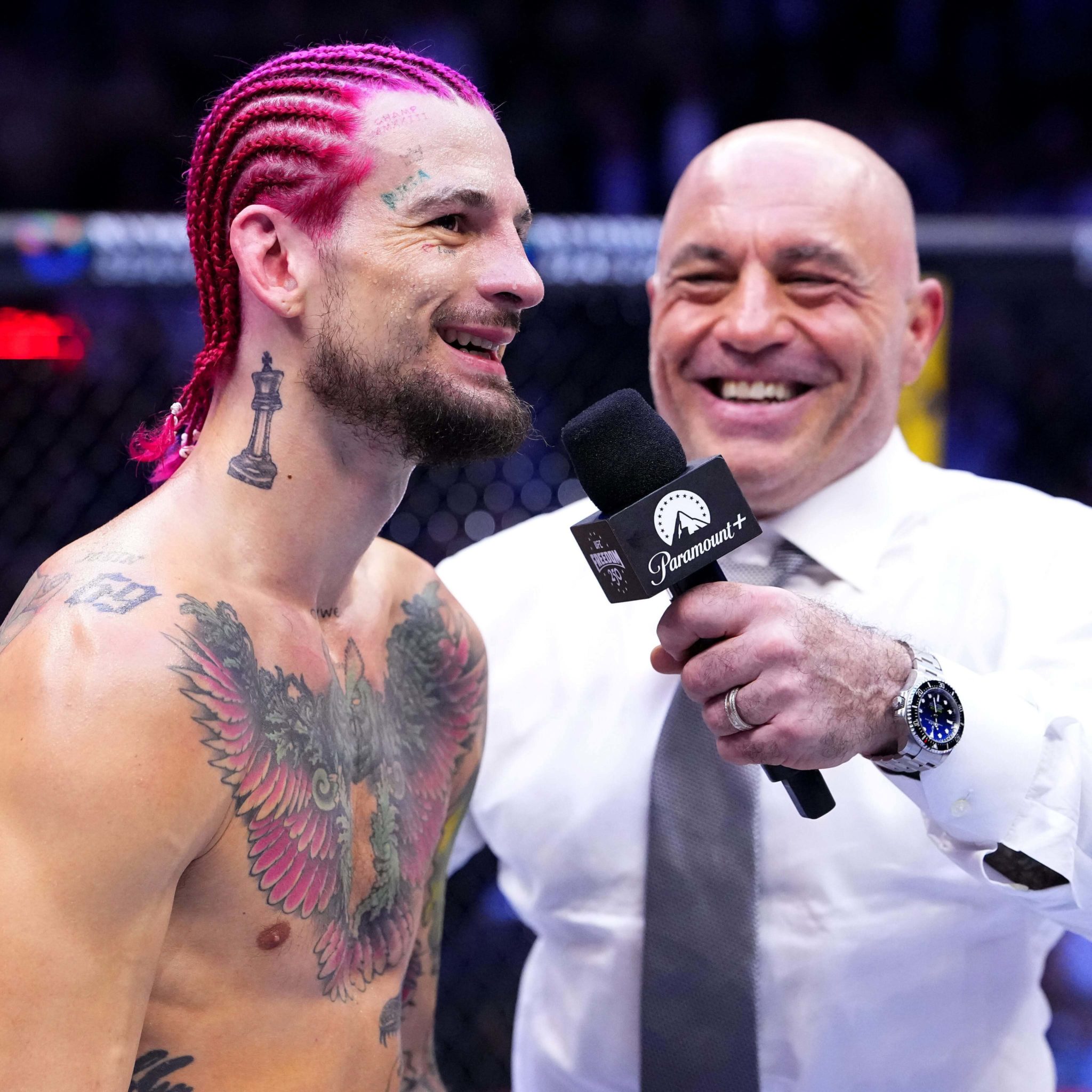 Sean O'Malley
“It did make me think, ‘Well, maybe this is an indication that the pendulum is starting to move back again.’” More broadly, it is remarkable the extent to which the Trump phenomenon borrows from the garish aesthetics of UFC and WWE.
“There was this moment I thought was interesting,” Jon reflects. “At the Fanfest the day before, which was really fun actually – the UFC know how to put on an event – they showed this video of great moments from presidential history. So it was like, ‘Ask not what your country can do for you.’ They had an Obama one: ‘There’s not a blue America and a red America, there’s only one America.’ And they had, ‘The only thing we have to fear is fear itself.’ Then it skipped Biden! ”
At this point, Jon invites me to guess which Trump scene made the highlights reel. I plump for ‘They’re eating the dogs!’, but Jon reckons – in what would surely be a first – that’d be too venal for the current adminstration.
“This video is trying to be like high end, celebrating great moments of America,” he says. “No, it was the photograph of the blood on his ear, and his fist raised as he’s shouting, ‘Fight! Fight!’ So that represents blood and strength – and that’s what the UFC represents. A couple of times during the night actually, a fighter would jump out of the ring to pay homage to Trump.
IMPERIAL MOMENT
“What Trump would do was shake his hand, and then gently pat his punching fist – it was like this imperial moment. So that’s what it represented, blood and strength. To bring it back to the book for a second, there’s a moment in the epilogue where I talk about how ICE are recruiting these men who feel disempowered from society, like society has become too feminised.
“Basically, the ICE recruitment ads – which are being broadcast during UFC fights – are saying, ‘Are you sick of this feminised society? Join us – be David battling the Goliath of woke-ism.’ Of course, the guy who shoots Renee Good mutters ‘Fucking bitch’ as he walks away from her body. So it does feel like that particular type of masculinity, which you see in the manosphere, is now being politicised in Trump’s America.”
Returning to The Castle, once of its most fascinating elements is its portrayal of how, as certain online communities have become more atomised and extreme, they’ve allowed people’s worst instincts to flourish.
Among my favourite authors is the late, great JG Ballard, and I sometimes think even Ballard would be astonished at the extent to which his darkest prophecies – about our relationship with technology producing corrosive new pathologies – have materialised. In fact, while recently reading a piece about David Cronenberg’s bravura adaptation of Ballard’s Crash, I realised that, in a lot of ways, the movie that best explains 2026 was made in 1996.
“That’s interesting, I saw Crash back in the day, but I haven’t seen it since,” says Ronson. “It’s true, they’re prodding at our vulnerablities. There’s a moment in the book where Chris Mark is sending me his new reality show proposals, like Queen To Fraud – she was supposed to be the queen, but she became the queen of fraud! He’s sending me ChatGPT’s response to it, which is like, ‘This is the greatest entertainment concept ever created’!
“I joked to Chris, ‘AI really likes you’. And he replied, ‘That’s who I talk to most of the time.’ I thought that was a very resonant moment. I think there are a lot of men who are feeling purposeless and unanchored from society. All the old industries have closed, everybody’s being encouraged instead to be content creators – like that’s going to solve everyone’s problems. People are feeling lost, adrift and spiralling.
“And then AI – which by the way is contributing to all of this shit by robbing people of their jobs – swoops in and says, ‘Oh no, you’re not purposeless. You’re creating the greatest entertainment project ever.’ So AI is offering this false utopia, which is just another way to exploit vulnerable people.”
• The Castle is out now.


