
- Music
- 02 Sep 26
Kate Butler on Control: "I hope people will start thinking about women as creators in a much broader sense when it comes to music"








From Mariah Carey and Kate Bush to AI and the future of music production, DJ and writer Kate Butler’s new documentary Control examines why women remain so underrepresented behind the mixing desk. She tells Zoë Percival why the story is far from over.
Kate Butler can pinpoint the exact moment the project began. In 2020, her friend Ellen King, founder of Gash collective – a platform supporting female, trans, queer and non-binary people in music – shared a video of Ariana Grande working in her home studio.
“It was this cute video where she was talking about how she was in her studio, and she was using Pro Tools,” Butler recalls.
Grande and Justin Bieber had just released their pandemic-era collaboration ‘Stuck with U’. What struck Butler wasn’t simply that one of the world’s biggest pop stars was producing her own vocals, but that seeing her do so still felt unusual.
“It was just so rare to see a woman of that status in the pop world using Pro Tools, producing her own vocals,” she says. “I found it interesting that she didn’t think people would be interested in it. She was shy about sharing it. Even in 2020, that looked unusual: a woman producing in a studio.”
The clip sparked a question that became the foundation of Control: why did seeing a woman of Grande’s stature behind the controls still feel like an anomaly? What first became an essay grew into a four-part documentary exploring the overlooked history of women producers and the systems that have kept them out of view.
Having worked as a DJ since the 1990s, alongside her monthly programme on Dublin Digital Radio, Butler had spent years immersed in record credits. She realised that women had often been producing records all along – their contributions simply had not been recognised in the same way.
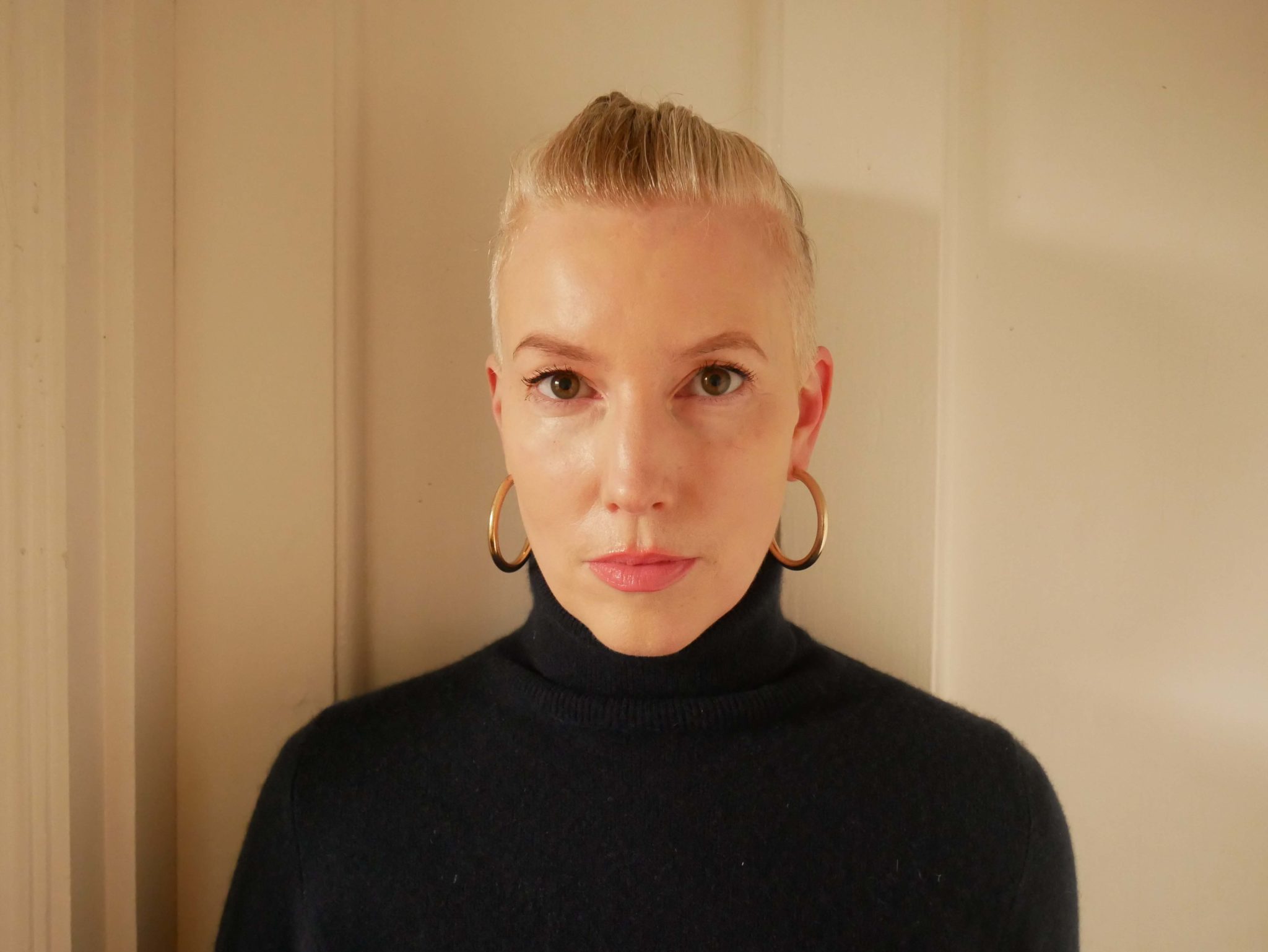
Kate Butler
“I was noticing for the first time how many women were getting producer credits in records that I really loved from the 1980s,” she says. “That didn’t tally with how I understood women to be operating in the pop world in the ’80s. I didn’t have – as a DJ and a music writer in the ’90s and 2000s – that kind of insight. I didn’t have a picture of women as producers.”
Control focuses on Irish artists, or artists with Irish connections, including Mariah Carey, Kate Bush, Enya and Sinéad O’Connor. But Butler’s choices were not based on heritage alone. Each artist represents a different challenge to the assumptions surrounding who gets to be recognised as a music producer.
Mariah Carey became a central figure in the documentary after Butler discovered the extent of her production work through a 2022 Billboard article ranking the most successful producers of all time, based on No.1 hits.
“Mariah was the only woman in that group,” she says. “That provoked a strong interest for me in Mariah Carey as a producer. That’s not something I had any knowledge about or understanding of before this.”
Carey’s Irish-American heritage also made her a natural fit for the series, but Butler wanted to explore more than just her achievements. The documentary also examines the colourism and racism Carey experienced throughout her career – a story Butler describes as “important to tell”.
The same principle informed her choices for the rest of the series. Kate Bush, Enya and Sinéad O’Connor were not selected simply because of their Irish connections, but because each expanded the possibilities of what women could do with music technology.
“Kate Bush has an Irish mother, and Enya’s obviously Irish; both of them were so important in understanding the visibility of women using music technology in the ’80s. These women were remarkably proficient. And then Sinéad O’Connor’s story around using sampling technology came at a really innovative point.”
A SMALL MINORITY
Control is rooted in the past, but it is not a nostalgic project.
Understanding how women found space during previous technological revolutions, she argues, can offer lessons to navigate the next one. The conversation naturally turns to artificial intelligence.
Rather than viewing AI as an unprecedented threat, Butler places it within a longer history of change. She points to previous moments of technological upheaval – the arrival of tape recording in the 1970s, the rise of drum machines, synthesisers and samplers in the 1980s, and file sharing in the 2000s – as examples of how disruption can reshape who gets to participate in music-making.
“AI is a new massive disruption in music technology,” she notes. “What we know from previous massive disruptions is that they can have negative effects for women, but also they can have positive ones. Disruptions can be gifts.”
The outcome of those changes, Butler argues, depends on the wider social conditions surrounding them. The technological revolution of the 1980s coincided with a period of significant social change, particularly the impact of second-wave feminism, which helped create new opportunities for women in music.
“The introduction of all of that technology did disrupt the industry massively,” she explains. “And that was quite beneficial for women at that particular time, because you’re talking about second-wave feminism having done a huge amount of work in terms of social change, and so men were much more open to the idea of women doing men’s jobs.”
That combination of technological and cultural change meant women flourished as producers in the 1980s in a way they had not before. If Control is an act of historical correction, Butler is clear that it is not simply about looking backwards. The questions raised by the series remain urgent today.
“If someone was to look back at pop music production 40 years from now,” she says, “they’d be horrified, as am I; the statistics are so low.”
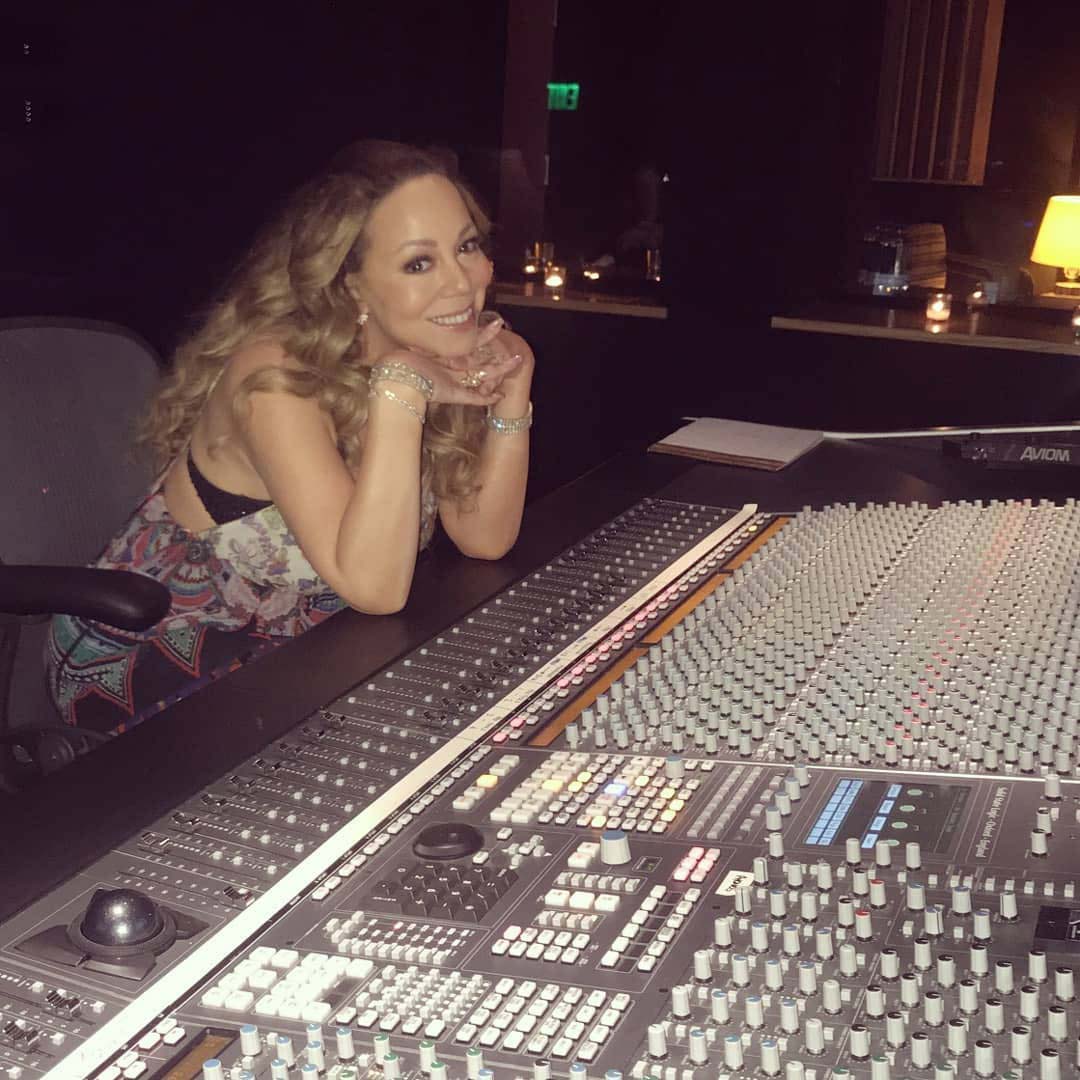
Mariah Carey
Much of Butler’s research draws on data from the USC Annenberg School in Los Angeles, which has tracked gender representation in the music industry for more than a decade.
The research examines the 800 top-charting songs each year and the number of production credits awarded to women. That figure has remained consistently low, hovering around 5%.
“Not only that, the number of women artists is at about a third compared to men, and the amount of women songwriters credited is at about 15%,” she explains.
To Butler, these figures reveal a contradiction at the centre of the modern music industry. Women remain among popular culture’s most visible figures, yet comparatively few are afforded the same opportunities behind the mixing desk or in the writing room.
“We could just sit here for the next five minutes talking about our favourite female pop stars,” she laughs. “They are so huge in our consciousness. Women occupy a small minority of the people who can make money out of the industry.
“Unless you are up there at that super high level, you’re not at the same level as men in terms of opportunities to make a living, whether that is through songwriting credits, production credits – or even as artists. Given how amazing we know women are at making music, I think it’s undeniable at this stage.”
GENDER IS NOT FIXED
That disparity, Butler argues, cannot simply be explained by ability. Instead, Control examines the cultural assumptions and structures that have shaped who is encouraged to create – and who is recognised when they do.
Control is not only concerned with whose stories are told, but who gets to tell them. That thinking shaped Butler’s decision to bring arts producer, DJ, writer and cultural curator Renn Miano on board as the series’ narrator.
“We met in 2022,” she says. “I came across Renn because they were doing great work with Diadem. It’s a support group and record label, and they were putting on gigs for underrepresented people in the scene.”
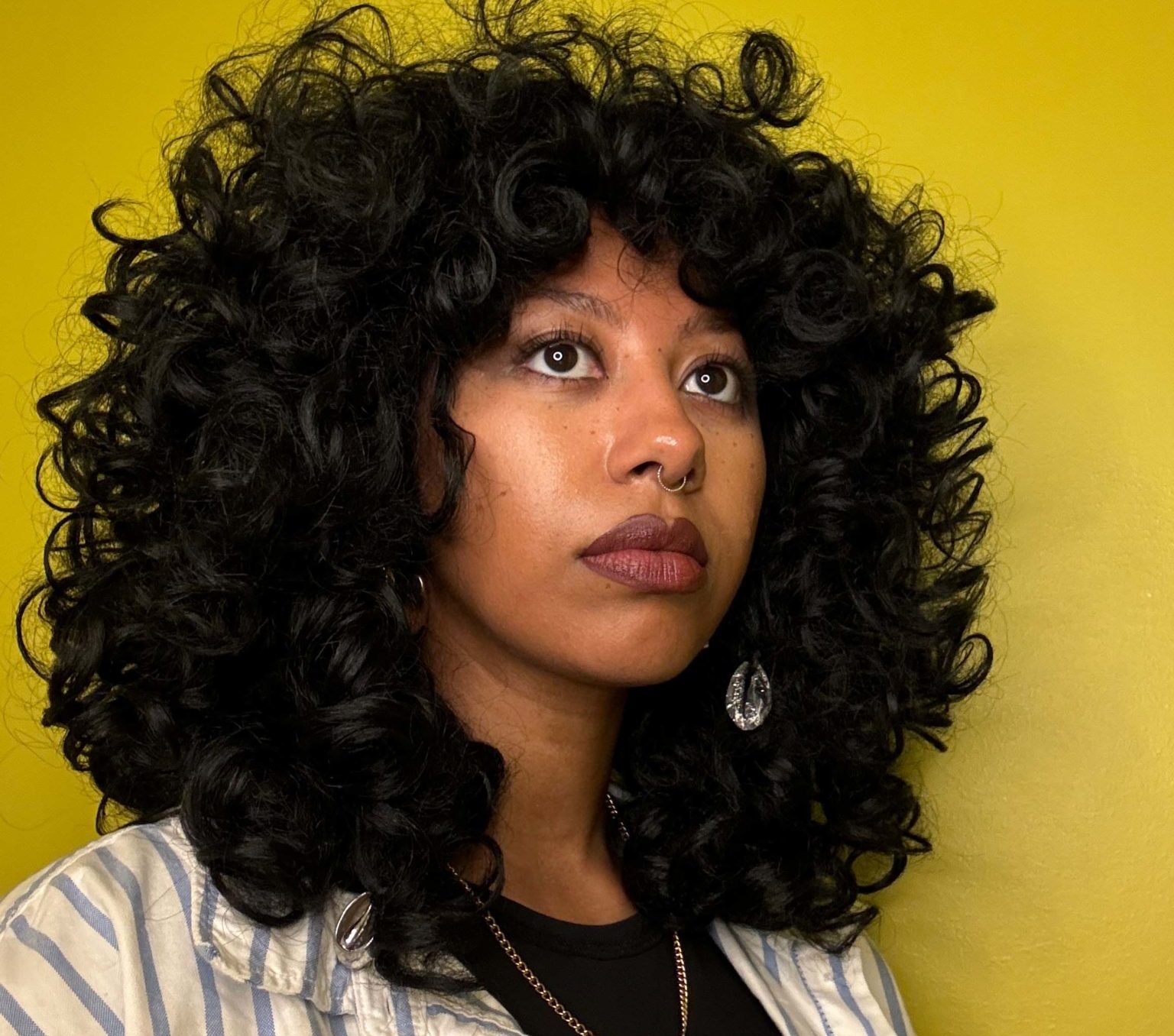
Renn Miano
Miano’s background in grassroots music culture made them an obvious choice.
“It’s unthanked work: it’s voluntary, and it changes the culture through that kind of grassroots activism. They were so active around DJ culture and music production that they understood what I was trying to do straight away. It was a no-brainer to ask them.”
The admiration was mutual. To Miano, Butler’s invitation felt like a natural extension of work they were already doing.
“There was sort of a kinship and a trust there, and I guess when you’re both working in similar fields, there’s a knowledge that you don’t have to overexplain,” Miano adds. “Already it had seemed like such an important piece of research.”
The subject matter also resonated with Miano’s longstanding interest in creating spaces for people who have been marginalised within music culture: “When she approached me about it, I didn’t have to think about it too much.”
Narrating Control wasn’t simply about lending their voice to the series. It was about recognising that history changes depending on who gets to tell it.
“I think history is important because it depends on whose mouth it’s coming out of; that can be a big influencer of how people are going to think about or remember history.”
It becomes clear in the first episode that when Control refers to women, the term includes anyone whose work has been excluded from the count – including trans women, femmes and genderqueer people. Making that distinction was essential.
“We’re in a really TERFy moment right now,” Miano explains. “I feel like if you don’t come in with your opening statement of clarity, people will make up their own narratives. History can run away and become skewed, so it was important to set that intention.”
For Miano, that also meant recognising that gender is not fixed.
“Some of the people we’re talking about, we don’t know what lies in their future; we don’t know how they might want to express themselves. We’re all just assuming that they’re one thing, but gender is so fluid – we have to include everyone in that.”
Ultimately, Butler and Miano hope Control encourages listeners to see these artists in a more complete way: not simply as performers, but as creators whose technical skills have often gone unrecognised.
“The hope is that people start seeing these figures in a more complex way,” Miano says. “They’re not just this big pop star – the intelligence is vast. Technology isn’t a man’s world.”
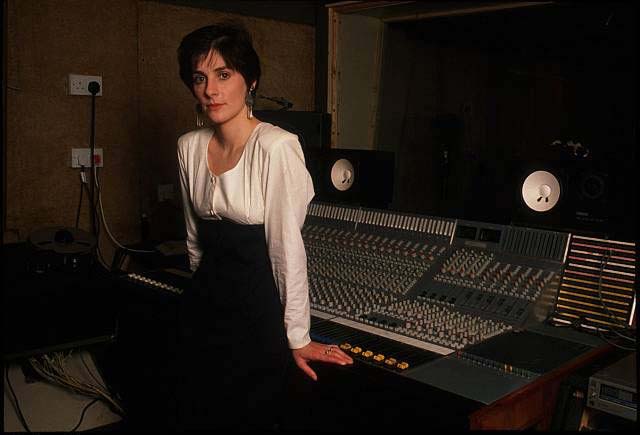
Enya
A shift in perspective has already happened for Miano.
“I’m listening to some Enya tracks now, and I’m like, ‘Damn, that was a bad bitch’. She was really in there doing her thing. It’s not all this esoteric stuff – there’s so much more going on.”
Butler sums up its central argument by returning to the cultural assumptions that inspired the series in the first place.
“The big issue in the pop world is how much it dominates our culture in terms of what it’s telling us about gender roles,” she says. “For decades now, it’s been telling us that women create with our voices and that men create with technology or instruments. It’s a really hard narrative to break out of.
“I hope that, after listening to this, people will start thinking about women as creators in a much broader sense when it comes to music. I love women singers – this is not about dissing women singers in any shape or form. But it’s about stopping pigeonholing them into that one creative role.”
• Listen to Control here.
RELATED


- Culture
- 02 Apr 26
2FM announces brand-new daytime schedule

- Music
- 05 Jan 26
2FM announces line-up of Rising Artists for 2026
RELATED


- Music
- 14 Jan 25
Hot Press is heading to Eurosonic!

- Culture
- 08 Jul 24
Beta Da Silva to present RTÉ 2FM drivetime show

- Culture
- 03 Jul 24
RTÉ seeking "expressions of interest" in 2fm presenting roles

- Culture
- 15 Nov 23