
- Culture
- 16 Aug 26
John Creedon: "As a people, we've come through the teenage years in this country"








As Creedon’s Musical Atlas Of Ireland returns, the legendary Cork broadcaster talks keening, lilting and gratitude.
He may be almost 40 years at RTÉ, but John Creedon is taking nothing for granted. He knows well that not everyone has the privilege of spending their day in Studio One with the first woman to conduct the Oscars, Eímear Noone – as well as Celine Byrne, the RTÉ Concert Orchestra, six additional percussionists and a camera crew – and being able to call it work.
“I did all the crappy jobs, like working crazy hours on building sites and in factories,” he tells me. “I know it sounds clichéd, but I did. I was scratching around in pirate stations, and working as a cleaner in Penneys.
“If someone told me that this is what I’d end up doing, I’d say, ‘Jesus, no. If I got a gig in local radio, I’d be laughing. That would be brilliant!’”
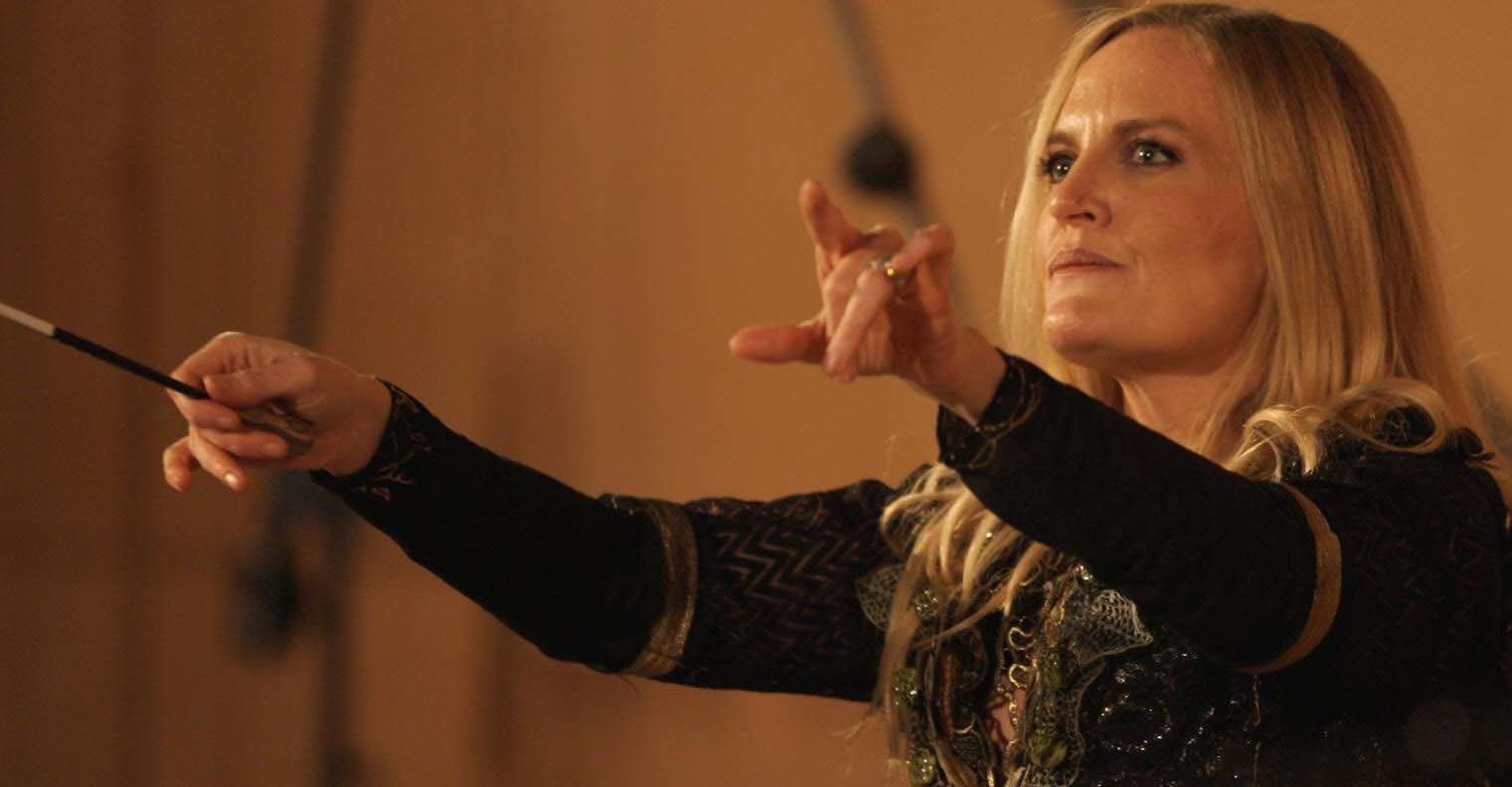
Eímear Noone in Creedon's Musical Atlas of Ireland
The renowned broadcaster is speaking ahead of the latest edition of his Creedon’s Musical Atlas Of Ireland series – which finds him travelling the country, to explore how music has shaped, and continues to shape, the Irish identity. As a man passionate about both place and music – as the author and presenter of several works centred around Irish placenames, and the host of his own evening music show on RTÉ Radio 1 – the series was a “no-brainer”, he says.
The first episode in the current three-part series aired over the August Bank Holiday, featuring appearances from the likes of The Scratch, Absolute Lilt, Róis, and the aforementioned Eímear Noone. It delved into the Three Noble Strains famously played by the great god in Irish mythology, the Dagda: Suantraí (the lullaby, to soothe), Geantraí (the music of joy and celebration), and Goltraí (lamentation).
“I don’t think we understand those moods and emotions as well now, as we did thousands of years ago,” John reflects. “We’re not as open with our emotions, because of how society has evolved, and social norms. But at that time, losing the rag, or getting drunk, or bawling your eyes out, or going to war, was no big deal. It was just the way we were. And they’re all captured inside those three moods.”
Caoineadh, or keening – which fits into the last strain, Goltraí – is a tradition that multi-award-winning Fermanagh artist Róis has explored extensively in her work. It’s something that the world might benefit from tapping into once again, John reckons.
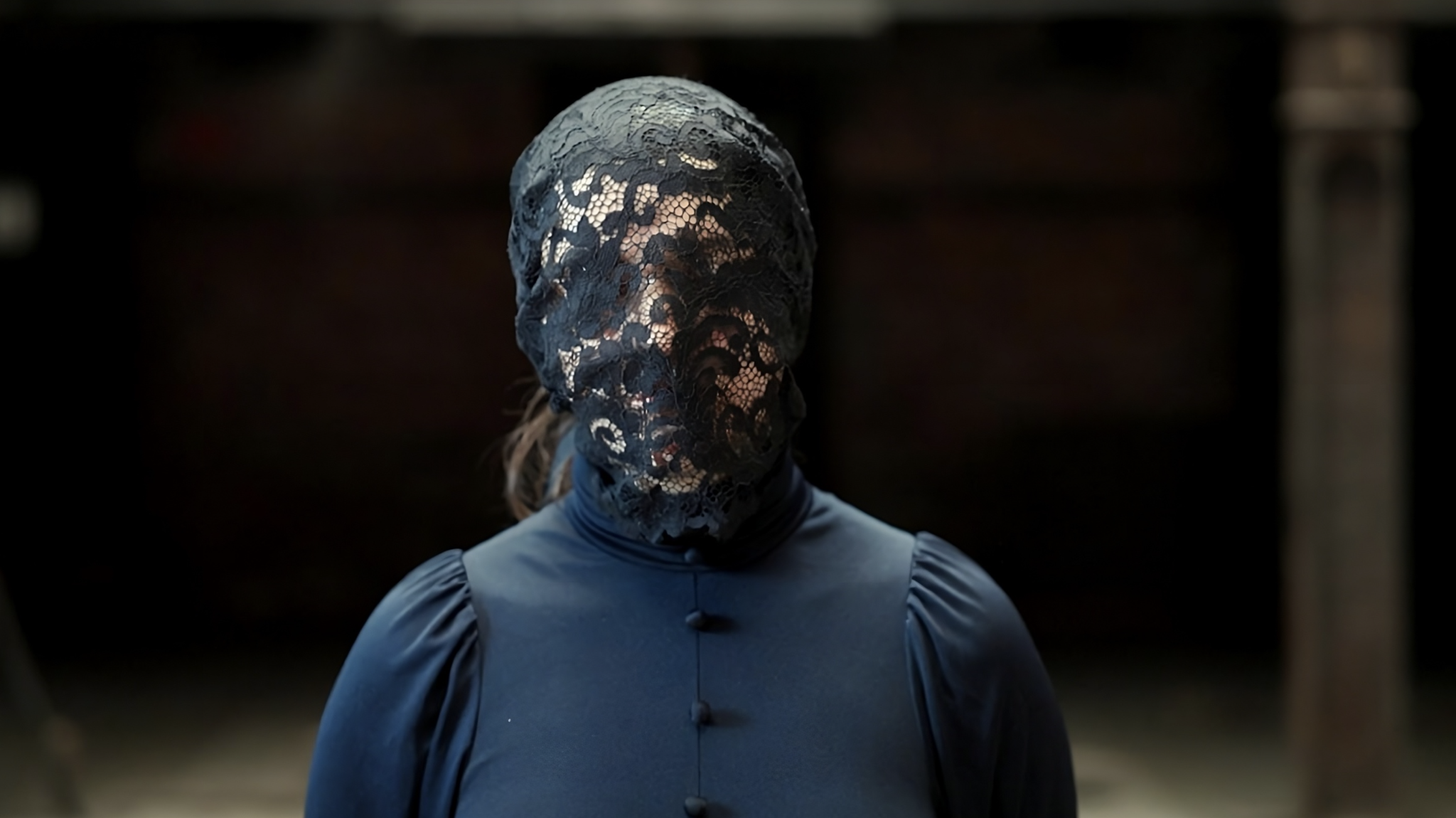
Róis in Creedon's Musical Atlas of Ireland
“I believe that an awful lot of us need to just let our emotions do their work,” he says. “Especially with grief, there’s all that old bolloxology that goes on: ‘There, there. Time’s a great healer…’ But what struck me about the keeners was the role they played, in terms of showing up at a funeral.
“Everyone’s saying, ‘You’ll be okay, Kathleen.’ ‘Thanks for being here, Mary.’ ‘I brought some ham.’ And then the keener starts off: ‘Jesus Christ, he was so young! Three small children left behind, oh Jesus Christ!’ And then all of a sudden we’re all off. Everybody’s bawling, and dealing with the reality of what they really feel.
“An awful lot of people nowadays are coming back to that view,” he adds. “People in counselling, or people recovering from addiction – they need to sit with their feelings, and they need to say whatever it is they’re feeling. They need to let it out. But our ancient ancestors already knew how to do that.”
The series feels timely – with young Irish people, both at home and abroad, delving into their culture like never before.
“Even before we went to work on the series, I could see this huge bulge of interest in folk music again,” John nods. “And it’s not a nostalgic folk thing – it’s a contemporary folk thing.
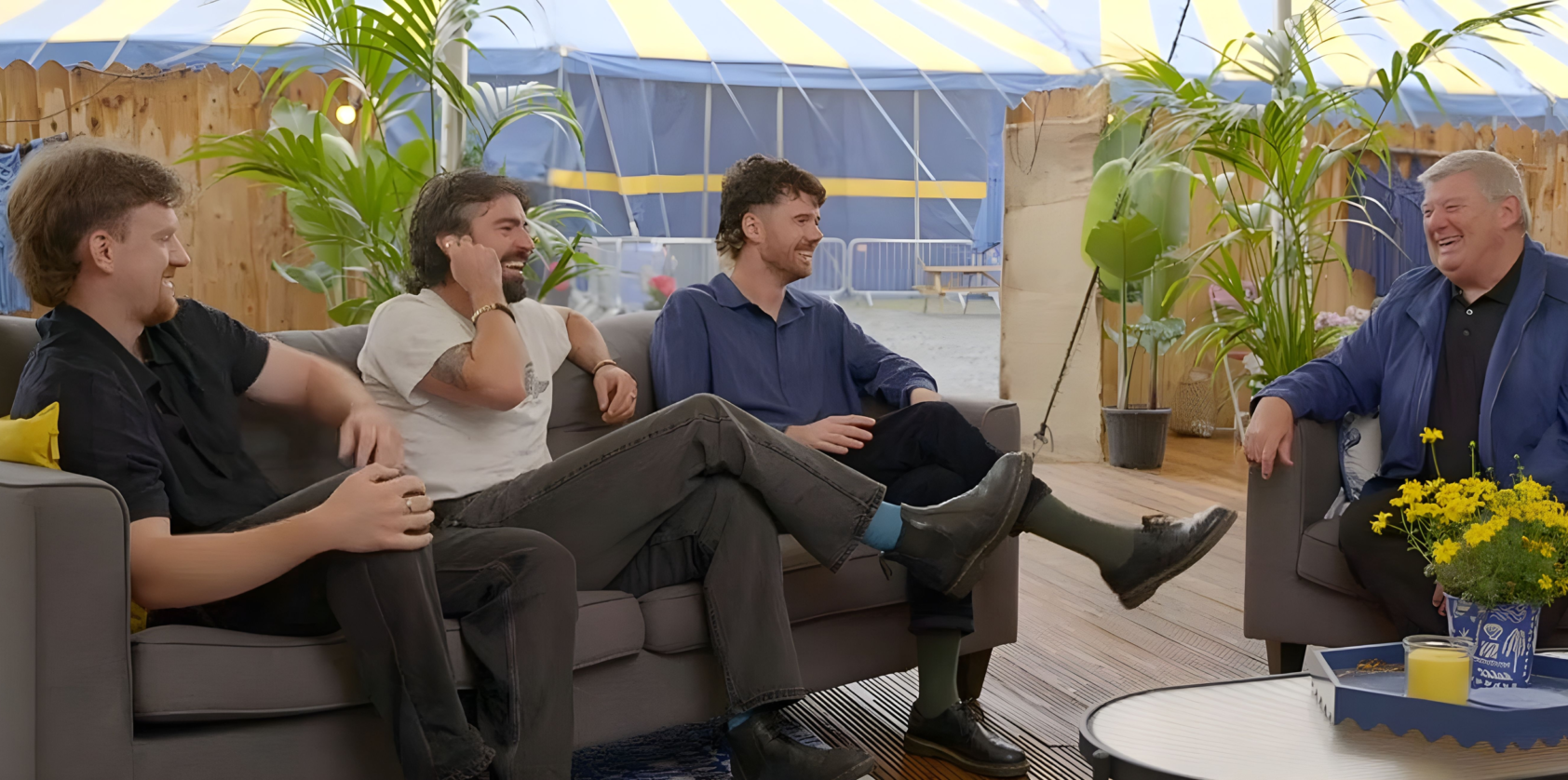
Amble and John Creedon
“When I first heard ‘Killeagh’ from Kingfishr, I thought, ‘That’s it. That’ll be sung by all the hurling fans in Cork this year.’ But it’s been sung by people all over the country – even though it’s about a village in East Cork. Amble are also putting out great songs. And that’s the challenge. It’s grand to be good musicians, and be nice lads – and to actually write a good song is an amazing thing. But to write 28 great songs – that’s the test. And those two, Amble and Kingfishr, are still going.”
That folk music boom, John reckons, is down to both the high standard of formal training young musicians are receiving in this country, and the fact that Ireland, as a nation, has been doing some important “growing up.”
“As a people, we’ve come through the teenage years in this country,” he states. “We’ve come out of a trauma – the 800 years, and the Troubles in the North. And education is very strong in Ireland, so we’ve a very educated, confident, cool generation of people coming on. And they have no problem with folk music.
“Whereas people who were less confident – like my generation, and before us – we looked to England and America for culture,” he continues. “Because our own stuff was crap, as far as we were concerned. We thought it was old-fashioned. We weren’t interested in what the priests and the school teachers were trying to tell us. We were looking at ska and punk. And Rory Gallagher was looking at the Delta Blues. But now we have found our confidence.”
The series covers many sides of the Irish tradition – including lilting, thanks to contributions from Lisa Canny and Niamh Hinchy of the duo Absolute Lilt.
View this post on Instagram
“When we hadn’t the price of a penny whistle, there was always some guy in the parish who would go, ‘Die-diddly-diethin’ – and we were off, dancing,” John recalls. “But that’s a thing that a lot of regular folks out there in TV land wouldn’t really know of – or they wouldn’t know what it was called, or how well it can be done. So we got Absolute Lilt up in West Belfast to do the lilting for us. That was a great laugh. We were crying with the messing that was going on that day…”
The series also highlights how a new wave of acts – including Irish-Libyan hip-hop artist KhakiKid – are continuing to challenge what people envision, when they think of ‘Irish music’.
“There are many gates to Irishness – and that shows in the music, too,” John notes. “And for me, there’s nothing new about that, because I grew up in a very multicultural zone. When I was a little boy, in the inner city of Cork, we had Armenians in the street; we had Turkish families in the area; the guy next door was a Scottish bookie with an Italian name. We had two bedsits on the side of our house, and in one of them was an American writer, and in the flat above him was a doctor from Kampala, Uganda. We had all churches and creeds.
“It’s always been there, in the music too,” he adds. “Even when I was a kid, Phil Lynott was Black and Irish – and he was just so cool. I think we’ve always looked for variety and difference. Most music lovers do.”
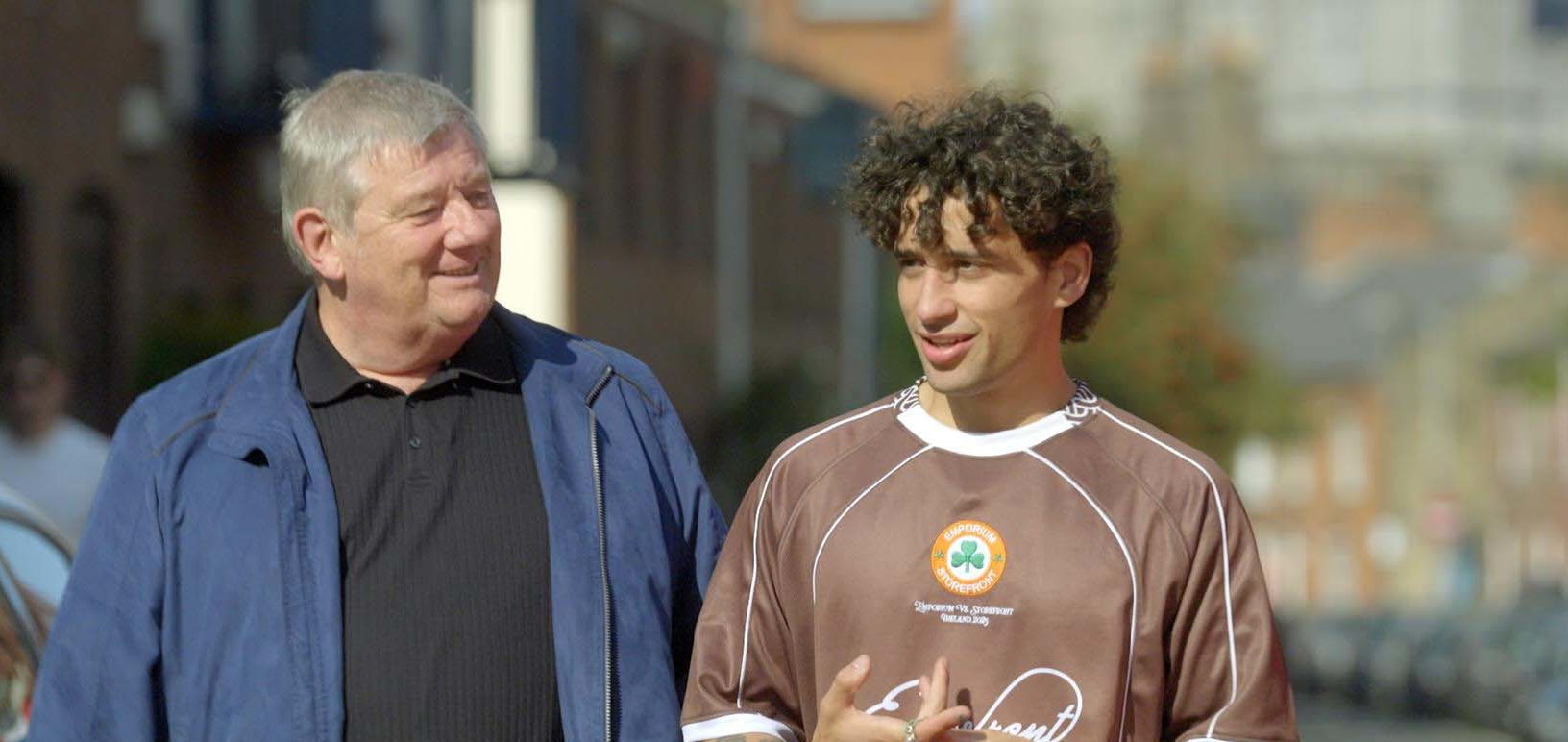
John Creedon and KhakiKid
Back in November, on his 67th birthday, John was awarded an honorary doctorate by University College Cork – with the president of the university, John O’Halloran, describing him as a “national treasure in Irish broadcasting.” But as he approaches his 40th anniversary with the national broadcaster, he tells me he still sometimes feels “like the new boy in RTÉ.”
“Genuinely,” he says. “If you were to ask me, as a snap question, ‘How long are you in RTÉ?’ I’d say, ‘Seven, eight, nine years?’ It’s a strange thing.
“But I’ve been very fortunate – without being a strategist,” he continues. “I never think, ‘How am I going to chart my way to the top?’ But I have been very lucky that – increasingly – the things that are coming towards me are the things that interest me.
“Whereas, in the past, I did things to support a family. That was about getting money – trying to buy a place and support four children, and put them through college. I used to present Winning Streak – and I didn’t know what the rules were. But it was a gig, and so I went and did it. There were other things along the way like – where it was work, so you did it.”
As he acknowledges, the “music and media game is a fairly volatile environment.”
“For years I would have been anxious about where the next gig would come from,” he says. “Or thought, ‘I hope they keep me on.’ I’m far more detached now. But it’s easier to be detached when you’re older and you have a house. I will always have an empathy for people I’m working with – people in their twenties and thirties, who are trying to find some kind of a perch.
“So I’m in a very grateful place at the moment – that I’m doing work I’m actually enthusiastic about, and it’s not just for money.”
• The first two episodes of the current series of Creedon’s Musical Atlas of Ireland are available on the RTÉ Player now. The next instalment airs on RTÉ One tonight, August 16, at 6.30pm.


RELATED


- Culture
- 30 Sep 26
New €6 Million Arts Capital Investment Fund Announced

- Culture
- 28 Sep 26
David McSavage coming to 3Olympia Theatre with Says I To You

- Culture
- 28 Sep 26
Angela Scanlon to take over Sara Cox's Drivetime slot on BBC Radio 2


- Culture
- 23 Sep 26