
- Lifestyle & Sports
- 07 Sep 26
Changing The Record: How FET Is Creating Futures








There is no single right route through education. Colm Kelly and Gráinne O’Donoghue of Education and Training Boards Ireland explain how FET helps people build pathways around their circumstances, experience and ambitions.
For generations, Ireland has told a familiar story about what comes after school: Leaving Certificate, CAO and university. That route remains important, but it is not the only one – and it does not reflect the many different ways in which people now learn, work and live.
According to Colm Kelly, Director of Further Education and Training at Education and Training Boards Ireland (ETBI), this is where Further Education and Training (FET) has a particular strength.
“There are many established pathways through FET, but its real strength is that it doesn’t assume everyone starts in the same place or travels at the same pace,” he says. “We can help you build a pathway that fits your circumstances, recognises the experience you already bring and supports your ambitions.”
For Gráinne O’Donoghue, FET Manager at ETBI, that idea is rooted in personal experience. She returned to education in her thirties, entered FET and, in her own words, “worked my way up”.
“The supports, encouragement and opportunities available to a FET learner are endless,” she says. “You’re supported to explore and move forward in your career in a way that takes account of your personal needs and individual circumstances.”
224,676 learners enrolled in FET courses during 2025 – a figure that doesn’t include apprenticeship and eCollege courses. More than one-third were under 25, while over 61% studied part-time.
FET is delivered in communities throughout the country, through Ireland’s 16 Education and Training Boards (ETBs). It includes apprenticeships, traineeships, Post Leaving Certificate (PLC) courses, community and adult education, literacy and numeracy services, workplace learning and shorter programmes for people who want to upskill or reskill. Learners can study everything from construction, engineering and healthcare to cybersecurity, sustainability, business, art, design and creative media.
More than 91% of the 2021/22 PLC graduates were in employment, education or both a year after completing their course.
The learning itself is often practical and applied, with close relationships between learners and their teachers, tutors and instructors. It’s also accessible – with FET available full-time and part-time, during the day and in the evening, online, in person and through blended learning. Many opportunities are free or highly subsidised and, crucially, available locally.
“FET is there in your community, on your doorstep,” Gráinne says. “That can make education possible for people balancing work, caring responsibilities or other barriers.”
ETBs’ local and industry relationships also allow them to respond to changing skills needs. More than 30,000 apprentices are now in training, supported by over 10,000 employers, while the national apprenticeship directory includes 82 programmes, spanning established crafts and newer occupations.
Those opportunities will be on full display at WorldSkills Ireland 2026, taking place at RDS Simmonscourt from September 16 to 18. The three-day event combines live national skills competitions with #ThisIsFET, Careers and Educators zones, hands-on activities and opportunities to meet employers and education and training providers.
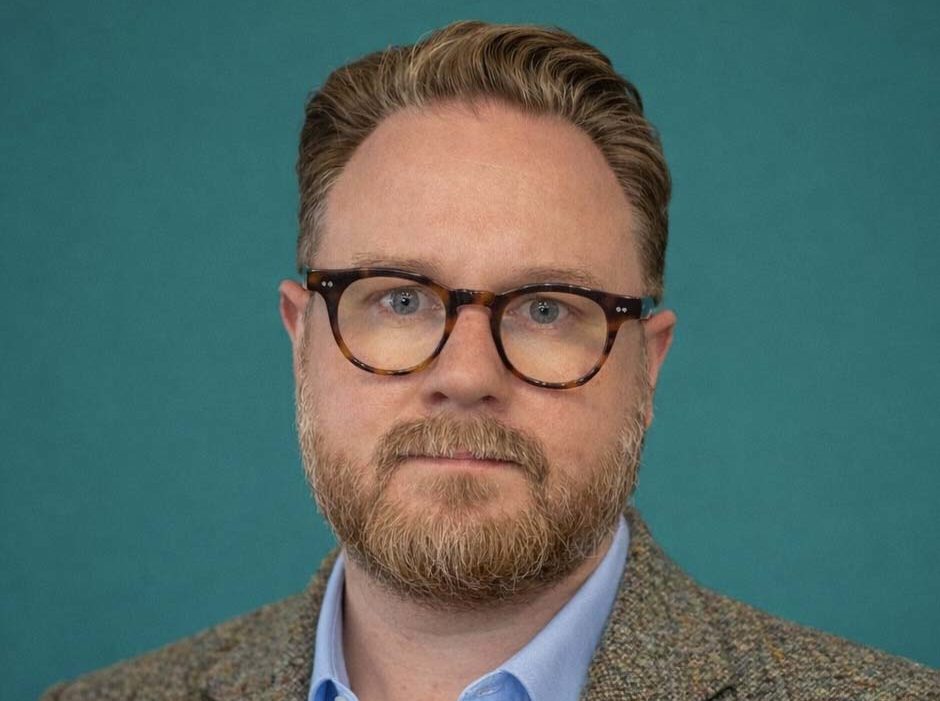
Colm Kelly, Director of FET at ETBI
“The future of work shouldn’t be something that simply happens to people,” Colm says. “FET gives learners and employees the skills and confidence to shape what comes next.”
In 2025, 16,519 learners enrolled in the Skills to Advance initiative, while flexible micro-qualifications are enabling employees to gain targeted skills without stepping away from work for an extended period.
“Through close collaboration with industry, ETBs are developing flexible programmes, micro-qualifications and upskilling pathways that respond directly to employer needs,” says Colm. “Initiatives such as the SOLAS and Enterprise Ireland Enterprise Connect partnership are helping to strengthen that link further, widening access to upskilling opportunities for small, medium and micro enterprises and supporting local businesses to build the skills they need to grow, adapt and remain competitive.”
FET’s significance, however, extends beyond the labour market. ETBs provide literacy, numeracy and digital learning, English-language programmes and community education, opening routes back into learning.
The iVET module, meanwhile, gives Transition Year students practical experience of vocational learning before they make decisions about life after school.
“It gives students hands-on experience of FET early on,” Gráinne explains, “helping them make more informed and confident choices about life after school.”
It’s this combination of economic, social and civic purpose that’s at the heart of the national FET strategy.
As Gráinne puts it: “Pick up the phone, send an email, reach out – and the answer will be there.”
• Courses can be explored through FETCHCourses.ie or by contacting a local ETB guidance service.
RELATED

- Lifestyle & Sports
- 24 Sep 26
Student Special: "It isn’t the missed start that traps people; it’s what they do in the moment afterwards"

- Lifestyle & Sports
- 17 Sep 26
Ones To Watch: 7 High-Achieving Students

- Lifestyle & Sports
- 11 Sep 26
Pulse College: A cutting-edge blend of both academic perspectives and practical skills
RELATED

- Lifestyle & Sports
- 10 Sep 26
Dundalk Institute of Technology: Home to an innovative range of programmes

- Lifestyle & Sports
- 07 Sep 26
Education Options: Exploring the diverse learning pathways available to you

- Lifestyle & Sports
- 07 Sep 26
Think you know your recycling?: Repak Recycling Challenge returns to the Hot Press College Roadshow

- Lifestyle & Sports
- 06 Nov 25
Dundalk Institute of Technology Undergraduate Open Evening to take place this month

- Lifestyle & Sports
- 17 Oct 25