
- Film And TV
- 15 May 26
Lance Daly on Trad: “Music is music. The deeper you go, the more you realise musicians don’t label it – they just play and find common ground"








Powerful and compelling, Trad captures the pulse of Irish traditional music through the eyes of a young fiddler navigating heritage, autonomy and connection. Roe McDermott meets director Lance Daly and star Megan Nic Fhionnghaile.
In recent years, Ireland has seen a resurgence in interest in its language and cultural traditions. Irish language music and theatre have flourished; young people are attending sessions, festivals and workshops in increasing numbers; and heritage practices once confined to small communities now find a presence in cities and online spaces.
It is within this cultural moment that Lance Daly’s new film Trad emerges, showing how trad music, something that can feel alien or intimidating to those who didn’t grow up with it, is endlessly accessible and exciting.
When Daly first conceived the film, his aim was to capture the energy and devotion that surrounds Irish traditional music, especially as experienced by young people.
The film follows Shóna (Megan Nic Fhionnghaile), a gifted fiddle player from Donegal, who has grown up immersed in the rhythms and rituals of her musical heritage. Now 18, she’s rebelling against the music that has defined her childhood, declaring she hates it – much to the dismay of her mother (Sarah Greene). Her journey of resistance, discovery and reconciliation is sparked when she meets Harky (Aiden Gillen), a charismatic figure leading a troupe of off-the-grid musicians who reject technology in pursuit of authenticity.
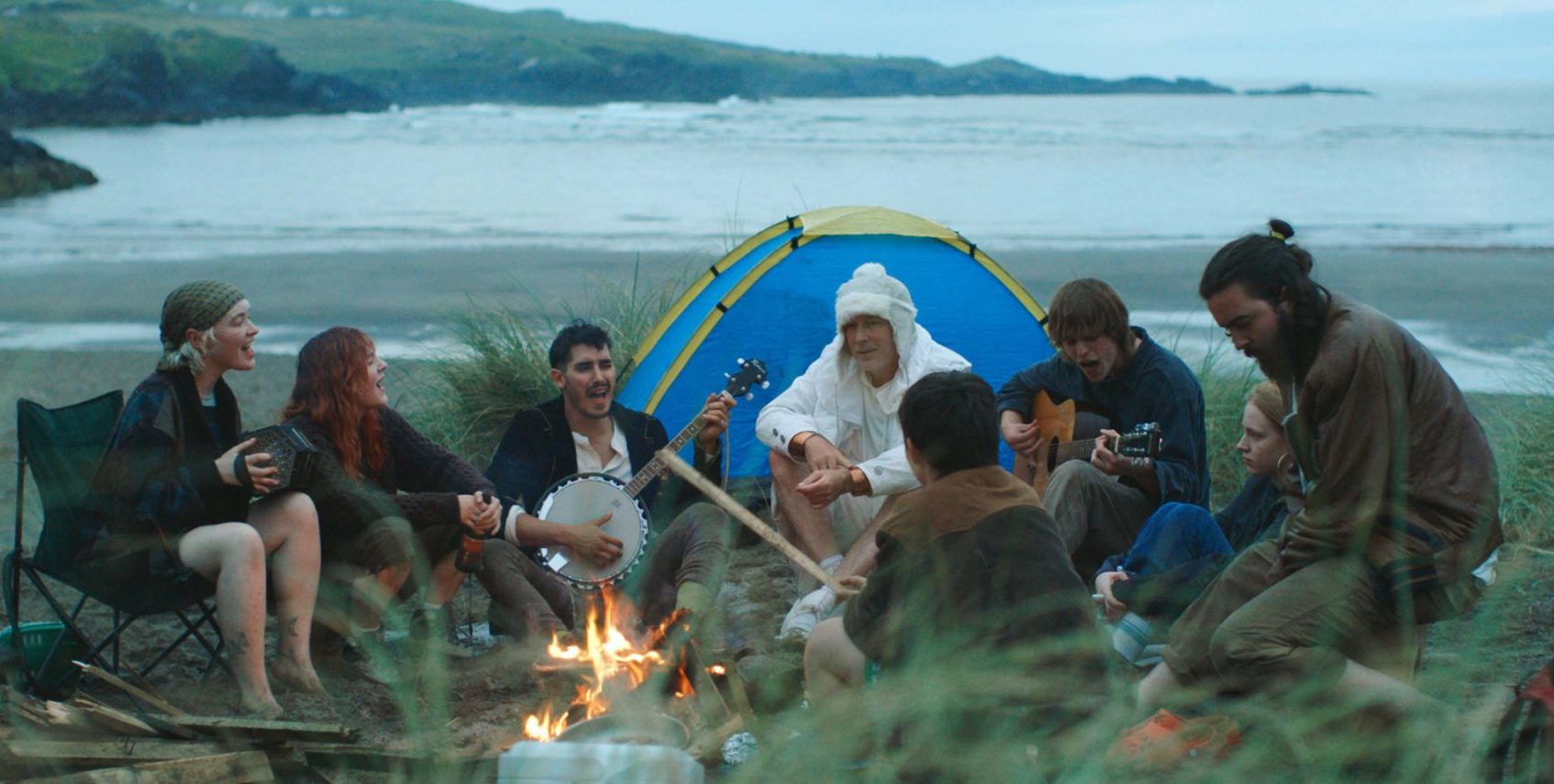
The story is as much about self-discovery as it is about music, with sessions serving as sites of connection, rebellion and healing.
Daly’s previous work, including 2018’s Black 47, has explored Irish history in a visceral way. A revenge thriller set during the Famine, Black 47 had huge buzz – and highlighted the bizarre lack of Famine-set films.
“It probably exceeded expectations at home, and then was a little quieter internationally than I expected,” Daly admits. “Every time I’d made a film, people say there’s 40 million Irish in America, but they’re not as nuts about finding out about our history as we presume,” he laughs.
But he’s glad that historically-minded Irish films perform well domestically, and that audiences are eager for stories about identity, heritage and history. With Trad, Daly wanted to celebrate music as a living, communal force, and to tell a coming-of-age story that feels immediate and universal.
The film’s centre is Megan Nic Fhionnghaile, making her first foray into cinema as Shóna. Growing up in Gaoth Dobhair, music has always been integral to the 25-year-old’s life.
“My great-granddad would have been a fiddle player,” she says. “His name was Joe Jack and he played a lot with Leo Brennan. He died quite young, but my granny and her siblings all played instruments, mainly singing, and did a lot with marching bands.”
Her initial encounter with the fiddle came around the age of 12 at a summer camp her aunt ran.
“I hated it at first!” she says. “I wanted to play football, like all my friends. But once I got decent, I kind of liked it. It was really about my granddad and his history.”
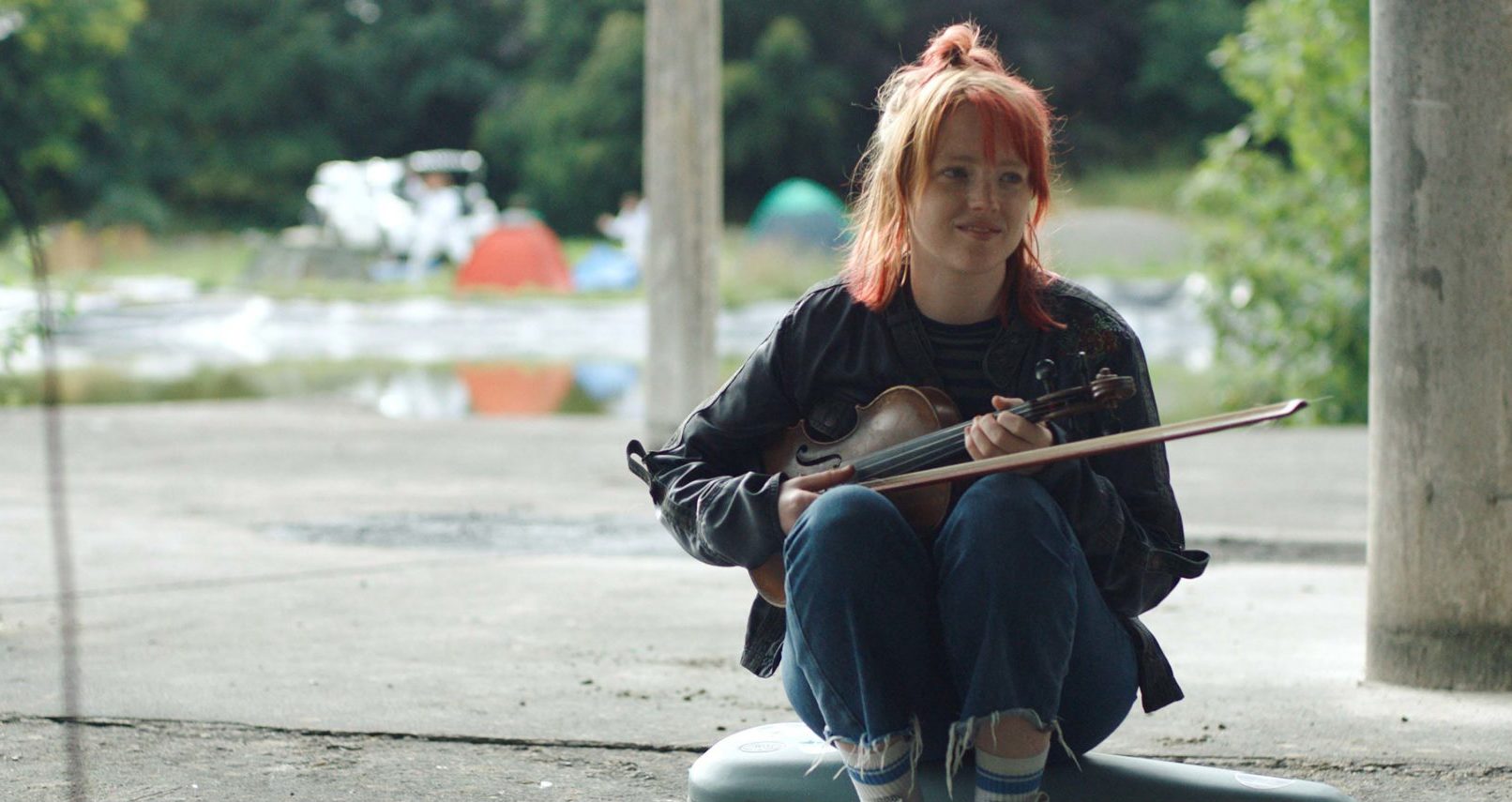
Over time, the social dimension of music deepened her engagement, as playing with others in sessions allowed her to forge friendships and participate in something larger than herself. This aspect of trad comes across beautifully in the film, with multiple music sequences finding different emotional beats: obligation, attraction, adventure, danger, healing.
Daly first encountered Nic Fhionnghaile through a graduation video, in which she played with an energy and distinctive style that immediately suggested she could embody the character. Yet Nic Fhionnghaile, who hadn’t acted before, was hesitant to commit.
“She disappeared on me!” Daly laughs. “I was like, she doesn’t want to be in this film. Then she came back. Once she was in, she was in. She came in and played, and the energy in the room was unbelievable. She was stomping away, playing with complete focus. Someone who doesn’t want to do it is a really good start, actually, because they’re not saying, ‘Look at me.’”
Nic Fhionnghaile brings this understated quality to her role, making Shóna both believable and magnetic as she navigates the tension between tradition and autonomy. Like many people who grow up dreading Irish classes in school, only to reconnect with the language later in life, Shóna’s journey is about realising that her love for Irish music was never lost, only obscured by obligation and association.
“The main conflict in the movie is between traditional and modernity,” says Daly. “She meets those guys who are all looking for the authentic thing, and she’s like, ‘Get me the hell out of here’ – but they’re going for what she’s escaping from.”
The music was overviewed by Nic Fhionnghaile, who worked closely with Declan Quinn and Eugene Quinn and more musicians. This sense of collaboration isn’t just behind-the-scenes, but is central to the film’s theme, where sessions are not merely backdrops, but act as catalysts for transformation.
“Music is music,” says Daly. “The deeper you go, the more you realise musicians don’t label it – they just play and find common ground.”
Nic Fhionnghaile agrees, highlighting that trad’s longevity and adaptability are what make it compelling.
“These tunes have been around for hundreds of years,” she says. “Then there are new ones that adapt. You can enjoy it in any sense, traditional or modern. That’s what I love most.”
For Daly, it was important that the film felt accessible to audiences who might have little experience with trad, while remaining authentic to the musical culture. The supporting cast also helped shape the texture. Sarah Greene, as Shóna’s mother, offered Nic Fhionnghaile guidance and presence, while Gillen’s Harky exudes enigmatic charisma as a Pied Piper-type leader for young people, who are all searching for meaning.
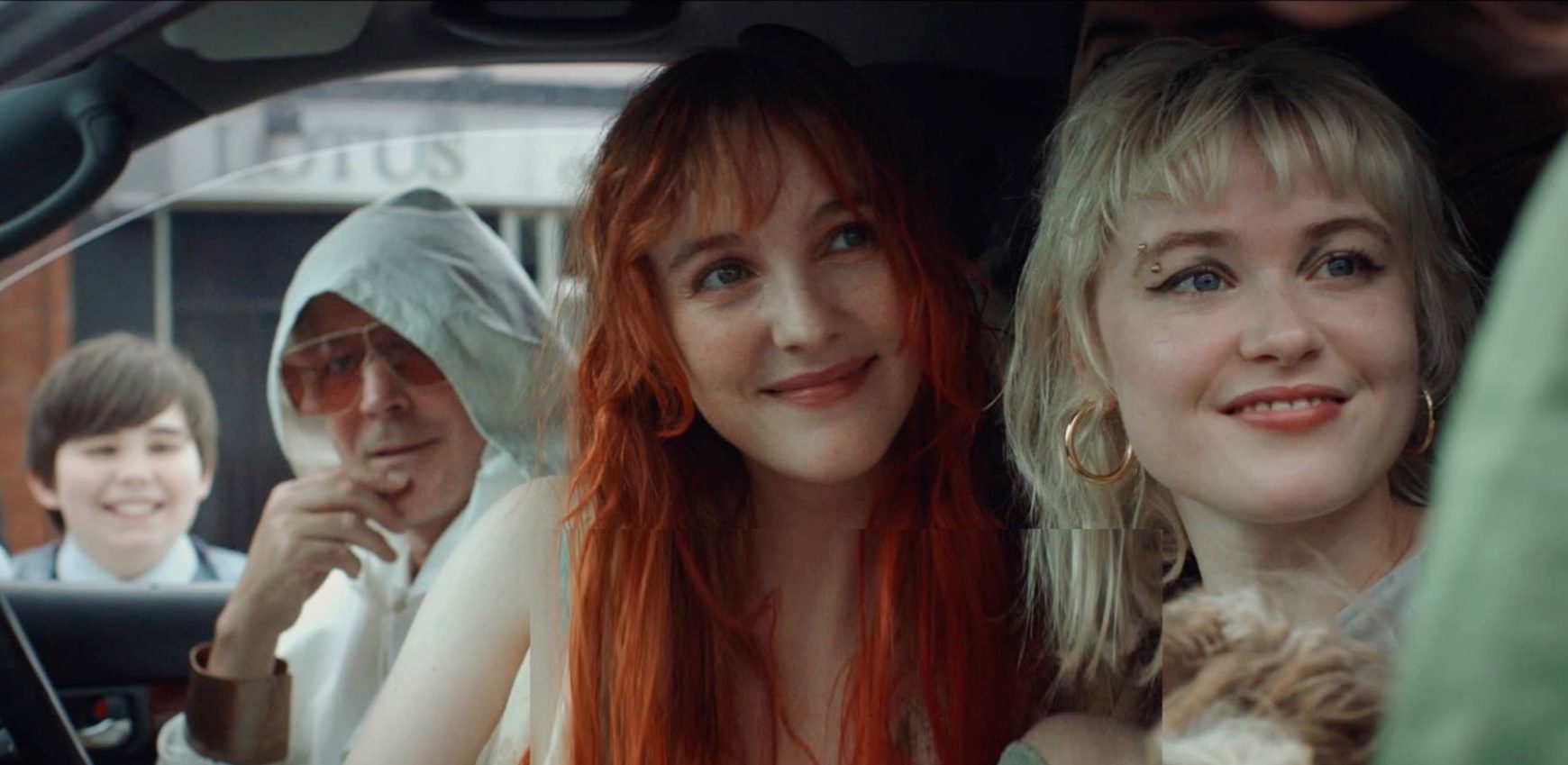
Dubliners may recognise the real-life inspiration behind his character, dressed as he is all in white, with a furry hat, always writing in notebooks. Daly, though wanting to protect one of Dublin’s great characters, confirms that the real-life influence provided clothing and advice.
Audience reaction has reinforced the film’s approach. Daly recalls a screening in Dún Laoghaire where viewers emerged surprised and energised. “People were just sort of surprised, it opened a window to something,” he notes.
The response from the trad community has also been supportive.
“Everyone has been so excited to see it,” Nic Fhionnghaile says. “Some people can be very particular when it comes to tradition, but it’s been wonderful to see them celebrate it onscreen.”
For Daly and Nic Fhionnghaile, the goal was not to dictate a revival of Irish music, but to create an experience that is immediate and affecting.
“I have no grand ambitions beyond the experience of seeing the movie,” says Daly. Indeed, the film opens a conversation rather than prescribing one – allowing audiences to feel, reflect and, perhaps, pick up an instrument themselves.
• Trad is in cinemas now.
RELATED

- Film And TV
- 08 May 26
FILM OF THE WEEK: Trad - Reviewed by Roe McDermott


- Film And TV
- 02 May 25
FILM OF THE WEEK: Amongst The Wolves - by Roe McDermott
RELATED

- Film And TV
- 22 May 24
Colm Meaney and Aiden Gillen to join Jim Sheridan’s True Crime Drama Re-creation

- Film And TV
- 11 Feb 22
Gripping Irish drama Kin has been renewed for a second season


- Film And TV
- 25 Sep 26
FILM OF THE WEEK: The Lost Children of Tuam - Reviewed by Roe McDermott

- Film And TV
- 25 Sep 26
First look images of Charlie Brooker's Blackmere released

- Film And TV
- 25 Sep 26