
- Film And TV
- 20 Dec 25
Jessie Buckley on Hamnet: "What Chloé did brought us out of our heads and into our bodies. It made the potential bigger"








Director Chloé Zhao and star Jessie Buckley discuss the hugely awaited adaptation of Maggie O'Farrell's novel Hamnet, a fictionalised account of Shakespeare's marriage that's already enjoying huge Oscar buzz.
The question of how to adapt a novel as inward and atmospheric as Maggie O’Farrell’s Hamnet has surrounded the film since its announcement. O’Farrell’s book – a fictionalised account of William Shakespeare’s marriage and the loss of his young son Hamnet – is steeped in silence, sense memory, and interiority.
It describes the emotional weather of a household through sensory, embodied descriptions of the pattern of breath within a labouring body, or the hush of a forest in late autumn. Many believed it would be unfilmable. The power of the novel lies not in plot but in presence – in the felt sense of grief, love and connection between people.
Chloé Zhao did not attempt to explain or rationalise that mystery. She simply stepped into it.
“I had Maggie,” Zhao says. “She was co-writing with me, and she took my hand and let me into her world. And I had this group of incredible actors, and I had my department heads. That’s it. So I thought our way to do the impossible was to allow the impossible.”
The early portion of the film lingers in the space before tragedy, attending to how Agnes and William first recognise parts of their soul in one another. Paul Mescal’s Will is restless, teaching Latin to appease a disapproving father while yearning for a life defined by imagination rather than obligation.
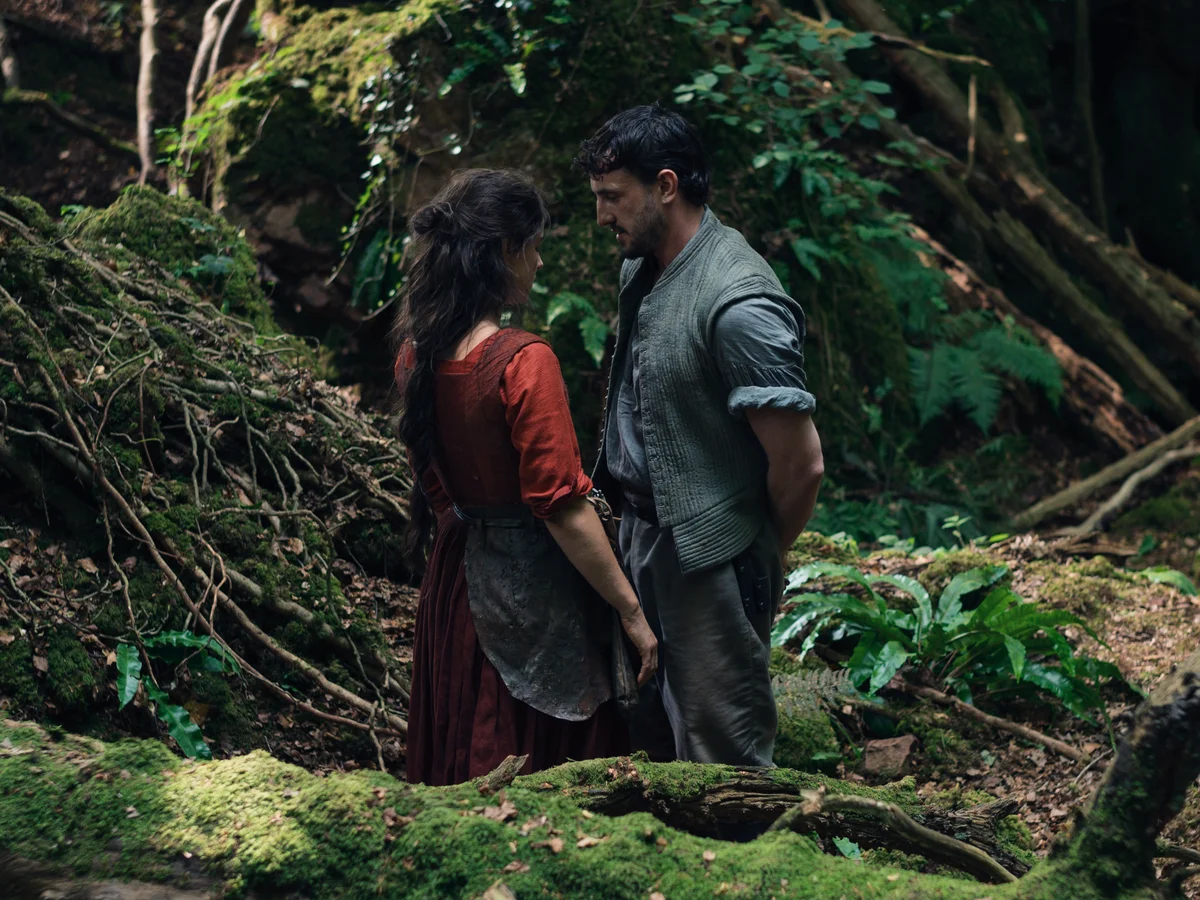
Jessie Buckley’s Agnes seems already formed from another element. Rumoured to be the daughter of a forest witch, she gathers herbs, listens to the wind, and moves as though her body remembers something older than language. Their attraction arrives fully-formed, their connection undeniable even though it’s disapproved of by his family.
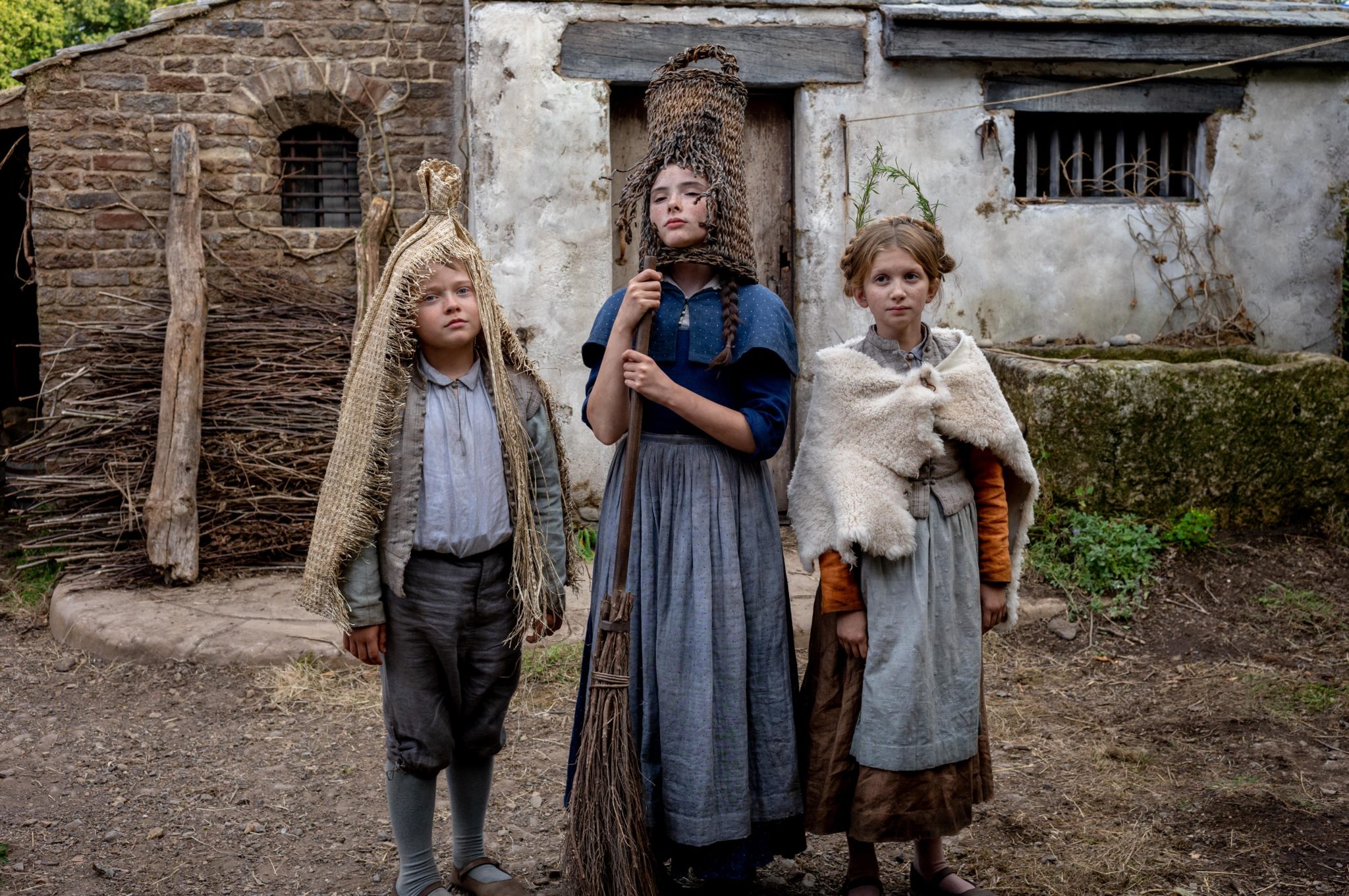
Jessie Buckley, who plays Agnes Hathaway with the energy and commitment she’s brought to other roles like Women Talking, Wild Rose and the limited series Chernobyl, speaks of her character with reverence. She describes Agnes as a person who lived fully inside her physical being, a woman whose presence in her own body could unsettle others in her time.
“She was so connected to her body that it was terrifying for people,” Buckley says. “She was like a tree in herself. How she gave birth, how she moved around the forest, how she loved, how she grieved. It had to be somatically engaged.”
The film also traces the emotional journey of Will, played by Mescal, whose imagination becomes both refuge and distance. He leaves home for London, hoping to turn longing into art. The further he travels into the dream of theatre and the more success he enjoys from audiences, the more he risks losing connection to the family his life grew from. Zhao recognises this deeply.
“A big chunk of storytellers, past and present, probably didn’t have the easiest upbringing,” she says. “That is why we escape into fantasy. It gives us passion and community and purpose. But it can also keep us from intimacy with life. And eventually it catches up. Something happens, some loss or some collapse, and you have to do inner work and still be a storyteller. Then maybe you find balance. You can go into spirit but also come back to matter. You need both.”
The death of Agnes and William’s son, Hamnet, arrives as utter devastation. The film allows grief to explode into their lives and reshape the world. Agnes moves through her days as though the air has changed density. Will writes and leaves and avoids, sidestepping the depth of his own sorrow by turning it into shape and story. Though they share a deep, core-shaking grief, their differences in expression carves a chasm between them.
There is a current in Hamnet that speaks to something contemporary and ancient at once. Zhao and Buckley talk about the loss of ritual, of spaces where feeling is permitted to move through a community instead of being locked inside the body.
“There has been a long history of suppression of our emotions and restriction of our bodies and expressions," says Zhao. "What is considered culturally acceptable has taken us away from what is natural: how our bodies know how to process grief; how to make love; how to die. And then there is the isolation, the lack of communal experience of processing things together. With the abandonment of indigenous cultural memory and the wisdom of elders, we have lost those ways.”
Buckley nods. “The community of artists I have met and the characters I have been able to live through have been my great educator,” she says. “They have unravelled the things that were repressed or in shadow and allowed them oxygen and light. I want to go on a journey through the work. I want to understand what is trying to come to the surface in me and in the culture. We try so hard not to feel. We fill ourselves up with distraction. Art lets the feeling come through again.”
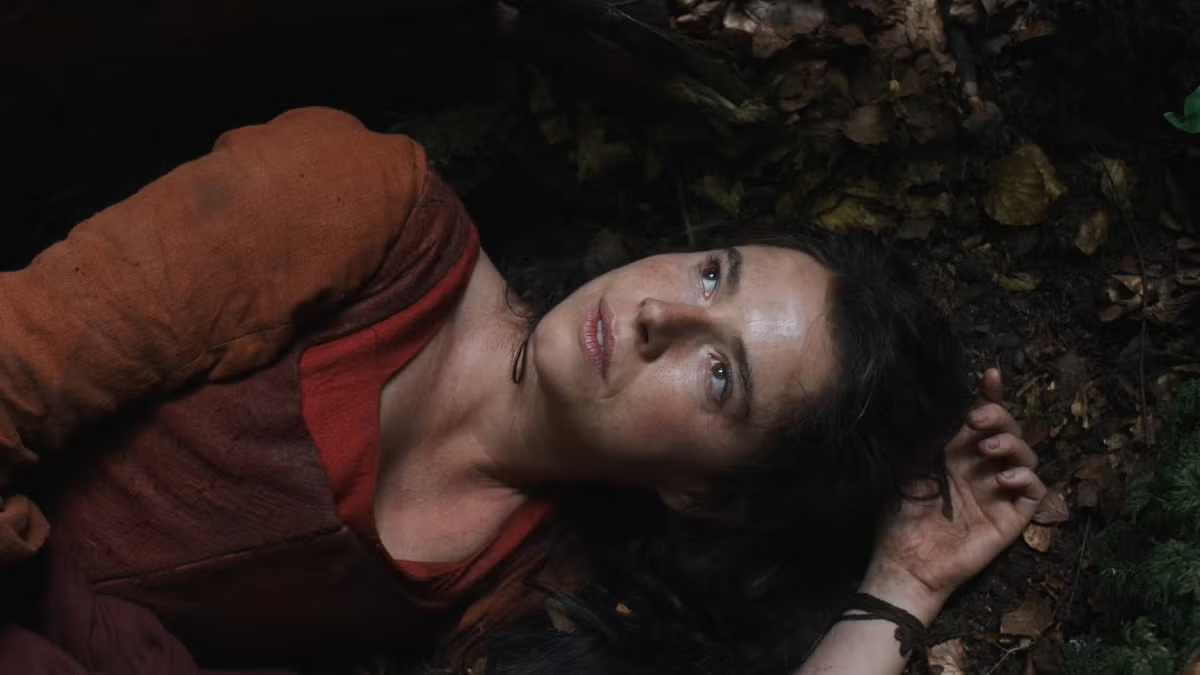
Zhao’s films (Nomadland, The Rider) emphasise the importance of community, and of connecting with nature, and on set, Zhao lived this belief by introducing practices that encouraged collective presence. At times, the entire cast and crew would breathe together before filming. Sometimes they stood in silence. Sometimes there was music used not to dictate emotion, but to create shared space.
“When you have a group breathing together, something happens,” Zhao says. “The illusion of separation dissolves for a moment. Music is vibration. People begin vibrating at the same frequency. You feel one with the world for a moment.”
Buckley describes how this changed her work. “On most sets, everything becomes individual. You are alone in a trailer and then suddenly expected to make these massive leaps of vulnerability. What Chloé did brought us out of our heads and into our bodies. It made the potential bigger. The magic only happens when the collision of all these artists creates something new.”
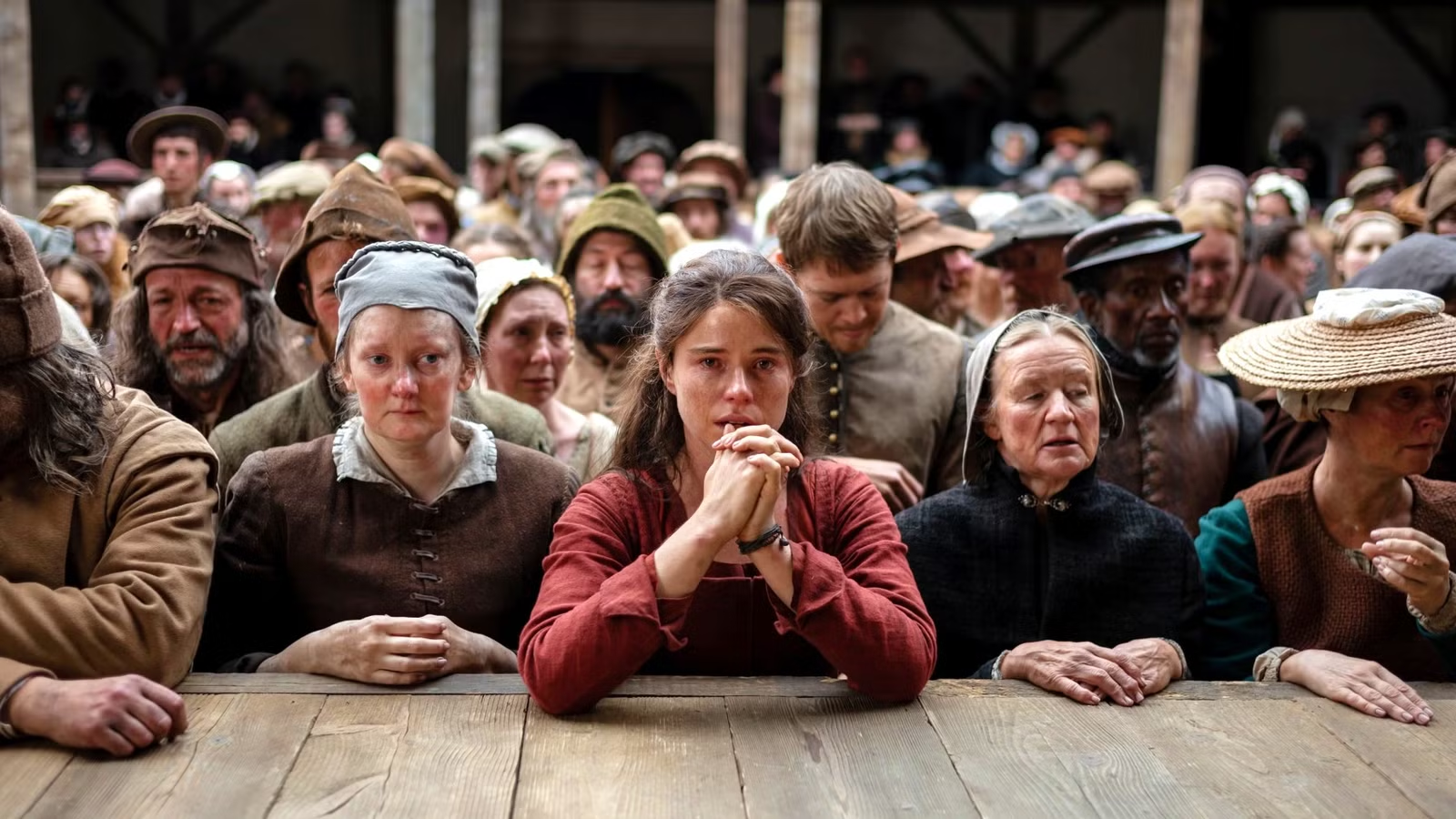
The film culminates in Agnes traveling to London to see her husband’s new play performed for the first time. She watches a man torn apart by grief, and a ghost speaking to his son, and the emotional architecture of Will’s grief becomes clear to her. What she processes in the body he processes in words, and through a play called Hamlet, a name at that time interchangeable with the name of their son.
At the Telluride premiere of Hamnet, before the screening began, Zhao invited the audience to breathe together, just as the cast did before shooting. Three slow breaths. She also gave a mantra to utter as they tapped their chests: “This is my heart. This is my heart. This is my heart.” The room quietened. Shoulders dropped. Some viewers began to cry before a single image appeared on screen. The audience watched not as consumers but as participants in a shared moment of feeling – exactly as Zhao wanted.
“I think whether you go to ceremonies," says Zhao, "religious or no or spiritual gatherings, or you go to a concert, or you go to club football games – we understand chanting together for your favourite team. Something happens to you. Suddenly you become fearless, because you feel you're one with the world. For a brief moment, the illusion of separation is dissolved. That's what happens at a Max Richter concert, when people get together and they start vibrating the same frequency.
"It's always said that music is vibration, and it can help people to vibrate the particles in their body into the same level. Suddenly, you just feel transcendent, because you're one with a leaf, or a drop of water, which is also the same thing as you. To be on set and have Max Richter music and ask people to breathe together – what we're doing is we're trying to create, not just in our actors, but in the entire cast, that feeling of awareness and feeling of no separation.”
Buckley says softly, “We are meant to be affected.” Zhao nods. “Art reminds us how to feel again. And how to feel together.”
The film trusts that capacity – and asks only that we remember it.
Hamnet is in cinemas from January 9.
RELATED


- Film And TV
- 13 Mar 26
FILM OF THE WEEK: The Testament of Ann Lee - Reviewed by Roe McDermott

RELATED

- Film And TV
- 02 Apr 24
Watch: Limerick poet Dyrt's stunning short film Imbas Forosnai

- Film And TV
- 08 Jan 24
Westmeath artist wins Emmy for his work on The Last of Us


- Film And TV
- 09 Mar 23
Colin Farrell sand portrait appears in Achill ahead of Oscars

- Film And TV
- 11 Aug 22