
- Opinion
- 20 Oct 26
The Noise Around Our Bodies: What happens when you're recovering from an eating disorder in a culture that's started celebrating shrinking bodies again?


The noise around our bodies has become a bit of a din. What happens when you're recovering from an eating disorder in a culture that's started celebrating shrinking bodies again? Recovery asks you to think less about your body, while the culture centred around Ozempic tells you to dwell on it more. Can anybody explain what's really going on here?
Beginning recovery from anorexia felt like the start of an exorcism: years of trying to silence the voice that told me that food - and anyone trying to feed me - was the enemy. Recovery is often imagined as a dramatic transformation, but mine was surprisingly ordinary. It wasn't about suddenly loving my body or waking up one morning free from disordered thoughts. It was about making my body less important.
Gradually, I learnt to stop examining it quite so closely. To stop negotiating with hunger. To stop assigning value to food. More importantly, I learned body neutrality - a mindset that focuses on what your body does rather than what it looks like.
If I ever needed a break from the relentless scrutiny surrounding bodies and weight, I could switch off my phone, avoid the tabloid front pages promoting the latest miracle diet, or change the channel when Operation Transformation or whichever weight loss programme was dominating the schedule came on.
Weight loss culture still existed, but it felt possible to step away from it. That's what feels different now. The conversation is no longer something I can simply switch off. Even if you aren't looking for it, it has a way of finding you. Because we're now living in what I think of as the age of optimisation, a culture obsessed with becoming thinner, younger, fitter, better, more efficient. It may also help explain why we've entered the age of Ozempic.
CULTURAL TRANSFORMATION
Online looksmaxxing has turned physical appearance into an ongoing project, with figures such as Clavicular (Braden Peters) documenting extreme surgical and non-surgical attempts to alter their appearance. Elsewhere, tech entrepreneur Bryan Johnson has become famous for Blueprint, his multi-million-dollar attempt to reverse the ageing process through highly regimented diets, medical interventions and experimental therapies.
 Bryan Johnson, founder of longevity company Blueprint
It's all so extreme that, ironically, I find myself thinking of Kourtney Kardashian's immortal response to her sister's infamous lost diamond earring meltdown: "Kim, there are people that are dying." We are increasingly encouraged to treat our bodies as projects - something to measure and improve. After years of hearing that we were moving towards body acceptance, conversations about becoming smaller, better, and more optimised felt not only acceptable again, but aspirational. Has the body positivity movement that once flourished online actually changed our relationship with thinness, or have we simply found new language for the same old ideals?
Body neutrality taught me something I wish I'd learned about much earlier: my body is the least interesting thing about me. Recovery wasn't about learning to love every part of myself; it was about freeing myself from the belief that my appearance deserved to dominate my thoughts. That's a difficult lesson to hold onto when the world seems determined to have the opposite conversation.
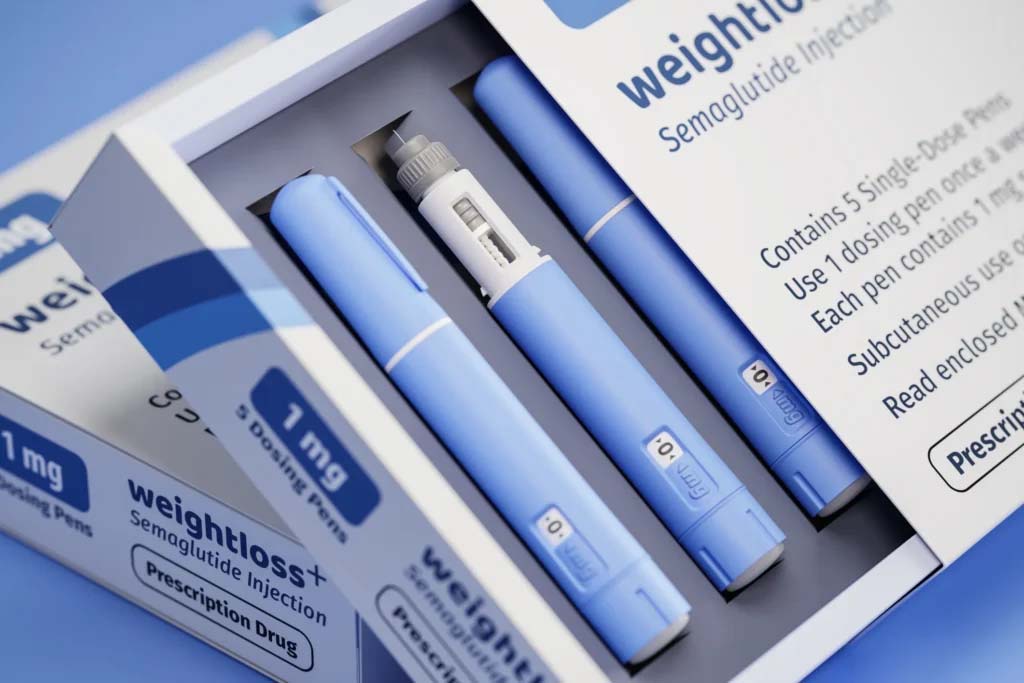
Weight loss medications, including Ozempic, were developed to treat type 2 diabetes, but are also prescribed for weight management. Whatever their clinical purpose, they have undergone a remarkable cultural transformation; what began as medical treatment has become a social phenomenon.
Somewhere along the way, the conversation left the consulting room. These medications made their way from online discourse to being referenced in everyday conversation, with a familiarity usually reserved for household brands such as Aspirin or Paracetamol.
Gracie McGraw - daughter of country stars Tim McGraw and Faith Hill - said on social media that she had taken Ozempic for three years. The 29-year-old actress spoke about "skinny culture" and using the medication to manage PMOS, a complex hormonal and metabolic disorder affecting people with ovaries.
 Gracie McGraw
McGraw said that, at the time, losing weight made her feel she had made the best decision of her life. She noticed that people treated her differently when she became thinner, from strangers and friends to family and people in her professional life. She also felt that losing weight had brought her more opportunities. When looking back on photos of herself during her time taking Ozempic, she realised, "I was way too skinny." She also noted that, in that same timeframe, the medications "blew up" in popularity.
SOCIAL MEDIA
"All of a sudden, skinny culture is back," she said, "and I realised, holy crap, I have been feeding into my eating disorder this whole time under the guise of this miracle shot. As everyone is getting smaller and smaller, I am gaining my weight back and seeing how much losing all of that weight actually affected me and my views of myself."
How did this happen? I don't remember the moment these medications entered public consciousness. It seemed to happen gradually, then social media accelerated everything. Celebrities and influencers documented their experiences, and comment sections filled with questions about dosages, side effects, and weight loss.
Meghan Trainor, for example, built her early brand around body positivity, self-acceptance, and being an alternative to standard pop body types. Her later dramatic weight loss and openness about using Ozempic drew criticism online and accusations that she had shifted her identity. Many of the young people today grew up on Trainor's music.
 Meghan Trainor
We listened and took in her lyrics: "I see the magazines working that Photoshop / We know that shit ain't real, come on now, make it stop." But when the opportunity arrived for her to fit the beauty standards she encouraged us to rise above, she took it.
You can't blame her for wanting to conform - don't we all? But it's a clear example of how fragile the "message" of body positivity can be in a culture where thinness remains the first choice.
For someone in recovery, all of this feels different. I taught myself to stop measuring my worth against the size of my body. Now the culture seems to be measuring bodies more closely than ever. That doesn't mean these drugs are inherently good or bad, but the conversation they've created and the feeling that thinness has quietly regained its status as the body most worth aspiring to has become difficult to ignore.
UNDERLYING BELIEFS
Understandably, I'm more sensitive to this conversation because of my own history, so I spoke to Bodywhys, the national voluntary organisation supporting people affected by eating disorders across Ireland. They've noticed the change too.
Bodywhys told me that weight loss medications are coming up more frequently across its services, particularly among people supporting someone with an eating disorder. The organisation has also heard growing concerns about the online environment, artificial intelligence, changing beauty standards and the increasing visibility of weight loss medications.
This distinction is important: Bodywhys doesn't suggest that these drugs themselves cause eating disorders. The concern is the culture surrounding them, particularly the potential for these medications to be misused by people experiencing an eating disorder, or those vulnerable to developing one.
Research in this area is still emerging, but Bodywhys says the pursuit of the medication outside appropriate medical care may be influenced by weight stigma, diet culture, and existing patterns of disordered eating.
 BODYWHYS
In other words, the medication doesn't necessarily create the underlying beliefs. It can become another way of acting on them. Eating disorders are often about much more than food. They can involve control, perfectionism, and self-worth, as well as the desperate attempt to navigate a world that tells us our bodies are projects waiting to be improved. Recovery asks you to challenge those beliefs; the culture often reinforces them.
Bodywhys is careful not to reduce health to what we see. "It's not possible to determine a person's health by appearance," the organisation explained. Yet traditional and social media can successfully reinforce narrow ideas about what healthy bodies are supposed to look like, leading users to often equate thinness with wellbeing.
They pointed to the effect of constant exposure to idealised bodies. For people already vulnerable to eating disorders, that exposure can intensify feelings of inadequacy and make it harder to maintain the self-compassion and behaviours that support recovery. The line between supportive and harmful content, Bodywhys says, can be extremely fine.
Unlike the openly pro-anorexia forums that exist in darker corners of the internet, today's messaging, again, arrives wrapped in the language of wellness and self-improvement. Tennis legend Serena Williams has been vocal about her use of the medication for post-pregnancy weight management. It sparked public debate, divided between praise for her transparency and criticism over unintentionally reinforcing rigid societal pressures.
Not long ago, openly wanting to lose weight could carry a sense of embarrassment. Conversations happened quietly through slimming clubs or inside calorie-counting apps. Publicly, at least, body positivity encouraged us to challenge the idea that smaller automatically meant better. Perhaps body positivity did challenge something.
NEW VOCABULARY
Perhaps it gave people new ways of talking about their bodies, made weight stigma harder to defend, and broadened the kinds of bodies we were willing to see. But I don't believe it erased the underlying hierarchy. Thinness remained desirable; it just became more complicated to say so.
Now weight loss drugs have provided a new vocabulary. Weight loss can be discussed as healthcare. Ordinary hunger can be reframed as "food noise", a mental chatter about what, when, and how much to eat. For someone who has never experienced an eating disorder, a conversation about weight loss may simply be a conversation about weight loss. For someone in recovery, it can carry a different meaning.
 Ozempic
Recovery doesn't happen in isolation. You can spend years making peace with hunger, appearance, and the idea that your body is not a problem to be solved. And then you can open your phone and be confronted with thousands of people discussing how to make theirs smaller.
I spent years learning that my body didn't need to be the centre of my life. The most unsettling thing about the "age of Ozempic" isn't the medication itself; it's how quickly we remembered our old obsession with becoming smaller. And for people still learning to quiet that voice, the volume has never been louder.
- More information on eating disorder support and treatment is available here.


RELATED


- Opinion
- 14 Oct 26
Opposition parties show support for public sector workers on strike


- Opinion
- 14 Oct 26