
- Lifestyle & Sports
- 13 Jul 26
Pacino’s: "There’s nothing better than growing something, harvesting it, and bringing it into the restaurant for the chefs to put it on a plate"








Owner of the beloved, long-running Italian restaurant Pacino’s, Michael Martin has spent the last two years honing his horticultural skills, with a view to working more sustainably and putting a delicious, organic plate in front of his customers.
Michael Martin is working from home. Sort of.
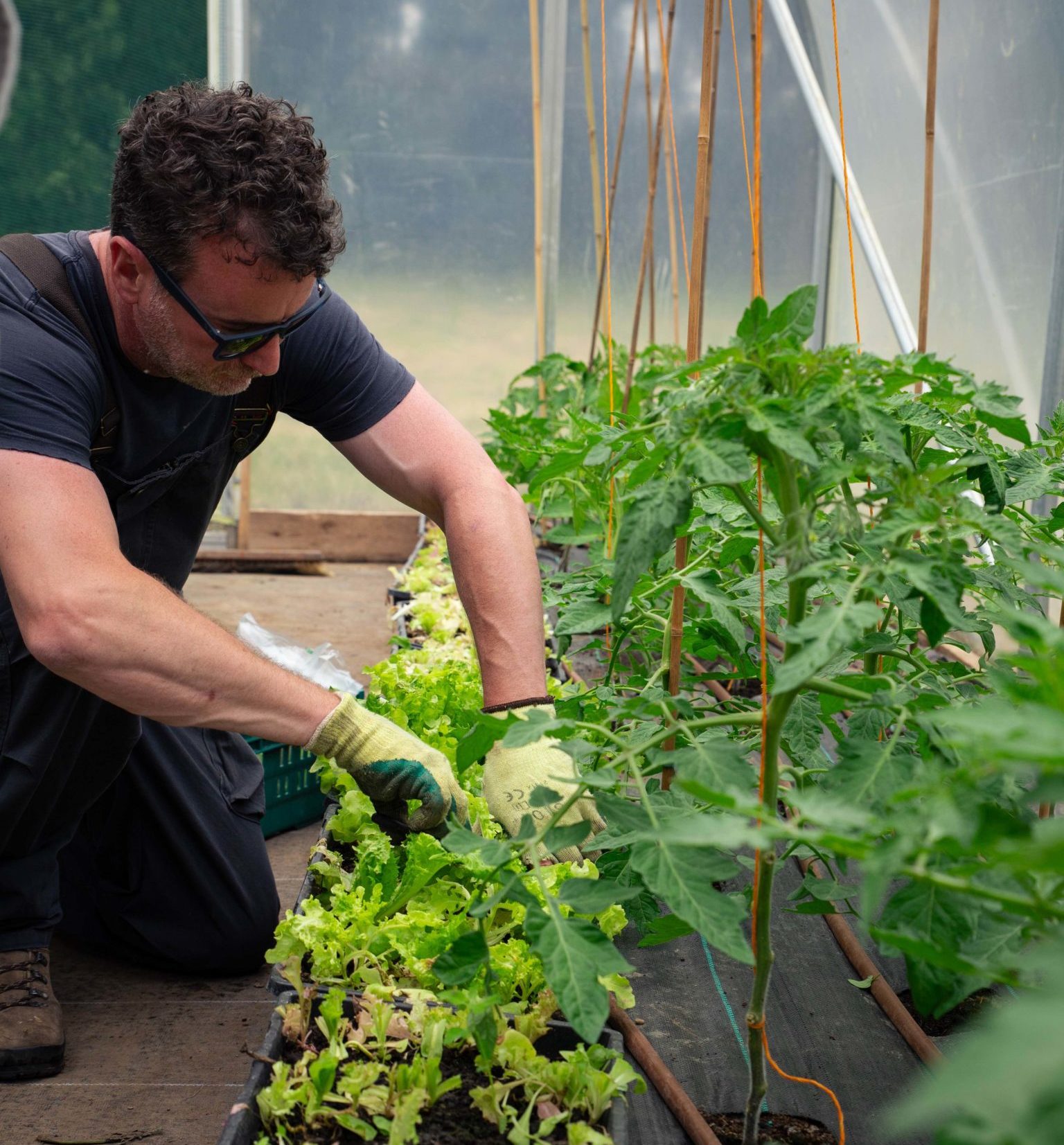
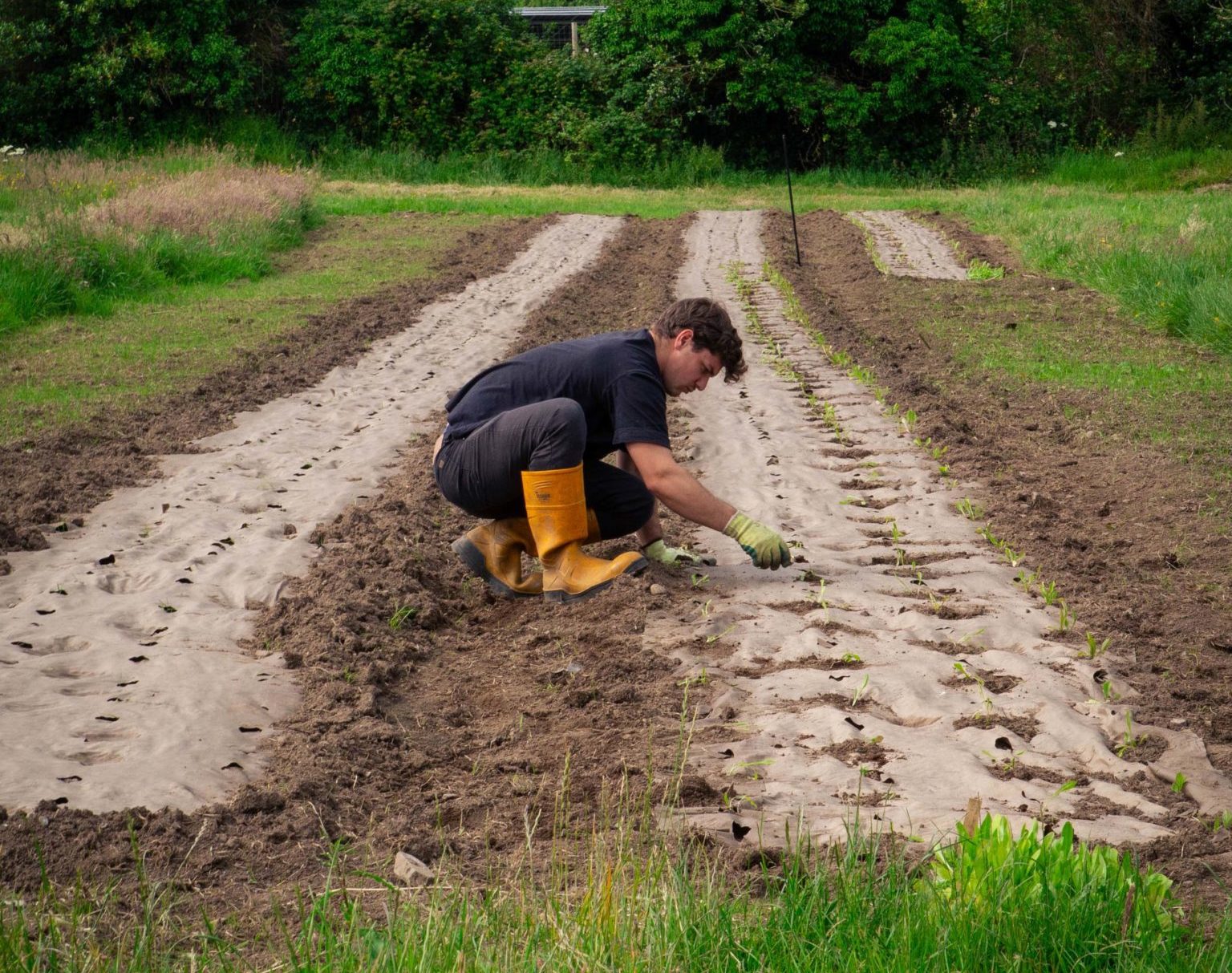
Instead of being stuck in the spare room, nodding along to a Teams meeting with the World Cup highlights open in another tab, the restaurateur is on his haunches, weeding between rows of cos lettuce.
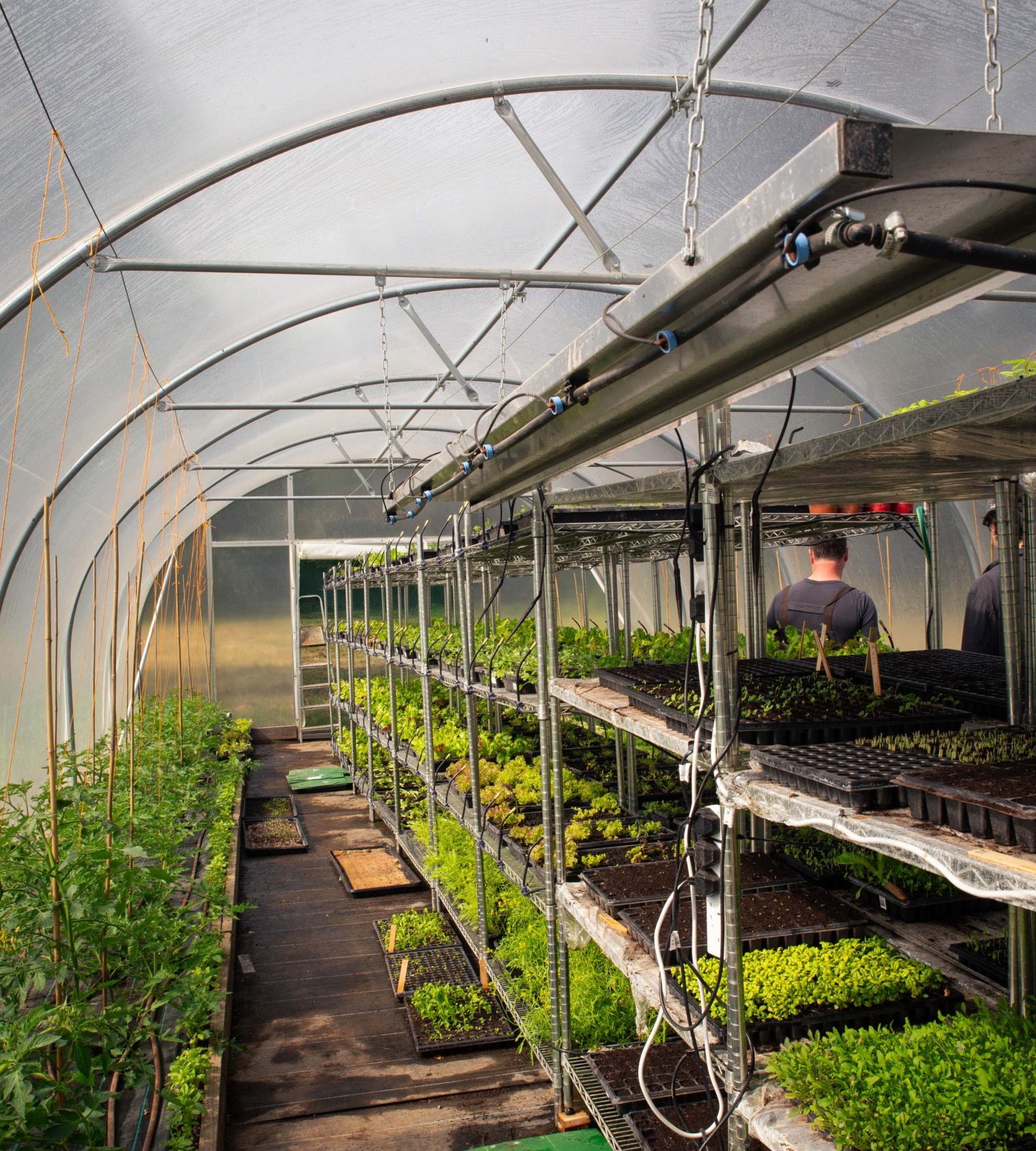
You’d forget a city of more than a million people is 20 minutes down the road. Spread across this arable corner of his 55-acre farm in North County Dublin are tons of potatoes, lines of onions and garlic, and bushes of mixed salad, a deliciously spicy mustard frill among them. The polytunnel, doing a fair impression of the Mediterranean, holds basil and tomatoes.
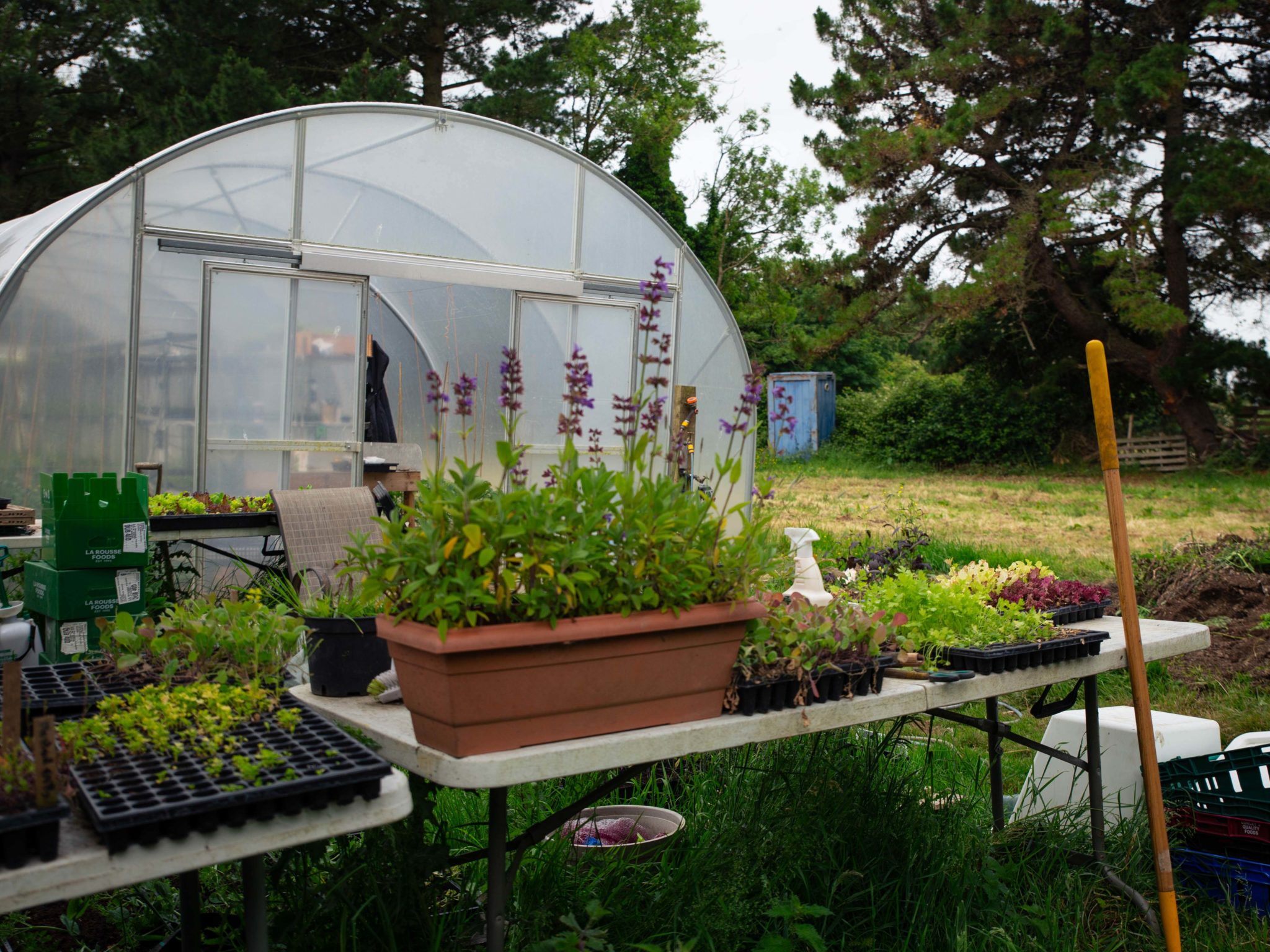
All of it is bound for Pacino’s, the much-loved Italian restaurant on Suffolk Street that Martin has run for two decades.
It is, in a sense, a return to type. He grew up here, left for the city in his mid-twenties, and has since come back to settle with his wife and children.
“You forget what you miss, if that makes sense?” he says of the homecoming. “You kind of come back to it.”
The work itself is less familiar.
“I grew up on a farm, but I never did horticulture,” Martin explains. “We always had cattle and sheep, and it was more about tending animals and that kind of husbandry. We wanted to make it work for the restaurant as well, so I did a horticulture course last year.
“They say sheep are difficult, but I went off for four days, came back and my tomatoes got spider mite and, you know, there were onions that got frost. So, there’s a lot of minding and looking after. You need to be dedicated to it.
“There’s nothing better than putting the effort into growing something, harvesting it, and then bringing it into the restaurant for the chefs to put it on a plate. You’re walking by and seeing it come out of the kitchen and going onto the table, and somebody’s eating it.”
Martin knows a thing or two about growing stuff. Long before the lettuce there was the restaurant, which he took on in late 2006, as the Celtic Tiger was about to turn. He got through it the way he has got through everything since, by adapting.
“It was a great time and then all of a sudden, bang, you know?” he says. “We had to adapt. When I started there, it was a trattoria that didn’t sell much alcohol. So, we started a lot of private functions, a lot of wrap parties for film productions, all that kind of corporate stuff.
“And then in 2012, the cocktail scene started taking off in Dublin, so we opened the Blind Pig initially as a pop-up and we opened the Little Pig in 2017. I do see now that we have to evolve, and I do think people are drinking less.”
The food has changed just as much. When he took over, the kitchen was barely Italian at all.
“Pacino’s came from the [pre-existing restaurant] 18th Precinct, which was a diner essentially,” he says. “You had a lot of comfort food, but I wouldn’t necessarily call it authentic Italian food. So, over the years, we’ve got Luca in from Milan, and since then, we’ve had Salvatore who’s from Puglia.
“You really only get authenticity when you have the Italian chefs. I wouldn’t say I’m an authority on Italian food, but I’ve learned through the experience of it and all.”
These days the kitchen leans more and more on the farm.
“All our pasta’s fresh, made in the morning. We’re trying to go down the road of producing all our own produce here on the farm and making everything in-house. We harvested spinach down here this morning, and that will go into the ricotta and spinach ravioli in the restaurant.”
That brings us to what the farm is about. People are more health-conscious and environmentally minded than they used to be, and Martin is doing what he has always done by moving with their tastes.
“You can’t stay still,” he says. “So, you have to look at what is in demand. I think now, more than ever, a good sustainable product will kind of stand the test of time.
“As a restaurateur, you want to, at the end of the day, provide for your customers. It’s not just about how I feel about it, it’s about how they feel about it. Particularly the younger market, they’re all very much around sustainability. They want to look after the planet; they want a planet where they have a good future.”
It is already an impressive operation, yet as he shows us around, he is mapping out the next expansions. One of them is to send the restaurant’s food waste back to the land for bio-digestion.
“It’s trying to create a kind of sustainable system within the farm, and it is feeding the restaurant,” Martin says, “and providing a good product, a seasonal product all year round.”
Michael also sees his work on the farm as a chance to get people thinking about eating in season. At Pacino’s, the menu moves with the calendar.
“There’ll always be a situation where you’re going to need products from abroad or you’re going to have that hunger gap,” he says. “But the real education here is seasonality and knowing when things come in.
“We can all be very blind as to where our food is coming from. People may say that’s an Irish strawberry in March, but you kind of say to yourself, ‘Really?’. So, it does give you an education as to the seasonality of food.
“Our cos lettuce that we have in our Caesar Salad, that’ll go to kale towards the winter, because cos won’t grow in cooler temperatures. Then we’ll use a lot of root vegetables for the winter. It’s understanding what you have. It changes the mindset of the restaurateur and also the chef. It’s working with your resources, essentially.
“It’s the educating of the customer that is the trick. Because a lot of the time, the customer will come in and say, ‘Why can’t I get X, Y, and Z?’ in winter. You’re trying to keep them happy as well, of course, so there is a bit of a balance there.
“It’s like having a cheat day if you’re exercising, you know? So, as long as we eat sustainably five or six days a week, I think we’re doing a good thing.”
Michael hasn’t lost sight of why the farm-to-fork movement matters more in a global sense either.
“They’re saying that the global population is going to get close to 10 billion by 2050,” he says. “The demand for food is going to be very big. That’s the problem. We’re on a path where populations are growing, and we’re getting droughts. That’s going to be a big challenge.”
“The farm-to-fork movement, I think, is growing. And we’re trying to emulate it as best we can too.”
Pacino’s
18 Suffolk Street,
Dublin 2,
Ireland
RELATED


- Lifestyle & Sports
- 21 Jul 26
Ríon Hannora: "Clothes are made to be worn, and felt, and witnessed"

RELATED

- Lifestyle & Sports
- 17 Jul 26
Blasta Books: Recipes to add to your regular kitchen repertoire

- Lifestyle & Sports
- 16 Jul 26
10 years at Mother Macs Public House: "A pub where people feel at home"

- Lifestyle & Sports
- 16 Jul 26
Limerick: Genuine history, rich culture, and an energy just waiting to be discovered

- Lifestyle & Sports
- 15 Jul 26
McNeill's: "You have to make sure you preserve it the best you can"

- Lifestyle & Sports
- 15 Jul 26
