
- Film And TV
- 15 Oct 26
Frank Berry on The Lost Children Of Tuam: "This is a film about community. It’s about Ireland and it’s about people like Catherine"








Frank Berry on telling Catherine Corless’s story, the wounds that remain beneath the surface of Irish life, and why The Lost Children Of Tuam is as much about breaking silence as confronting the past.
Frank Berry’s films have always been marked by deep social conscience and a sense of cinematic restraint. Whether exploring Ireland’s prison system in Michael Inside or direct provision in Aisha, the filmmaker resists spectacle, allowing institutional violence to emerge through ordinary rooms, conversations and lives.
That instinct feels particularly important in The Lost Children Of Tuam, his film about historian Catherine Corless, and her extraordinary investigation into the deaths of children at the Bon Secours Mother and Baby Home in Tuam. Much of the film takes place in profoundly ordinary spaces.
Beginning with a research project, Corless begins to realise there are missing burial records for babies who died in the home, and slowly uncovers an horrific chapter of Ireland’s history. In grey offices, on kitchen tables and over phone conversations, the unimaginable horror of Tuam seeps into this ordinary world.
Berry and cinematographer Kate McCullough developed the visual language after spending time with Corless and her husband Aidan in their home, noticing her preferred seat at her kitchen table.
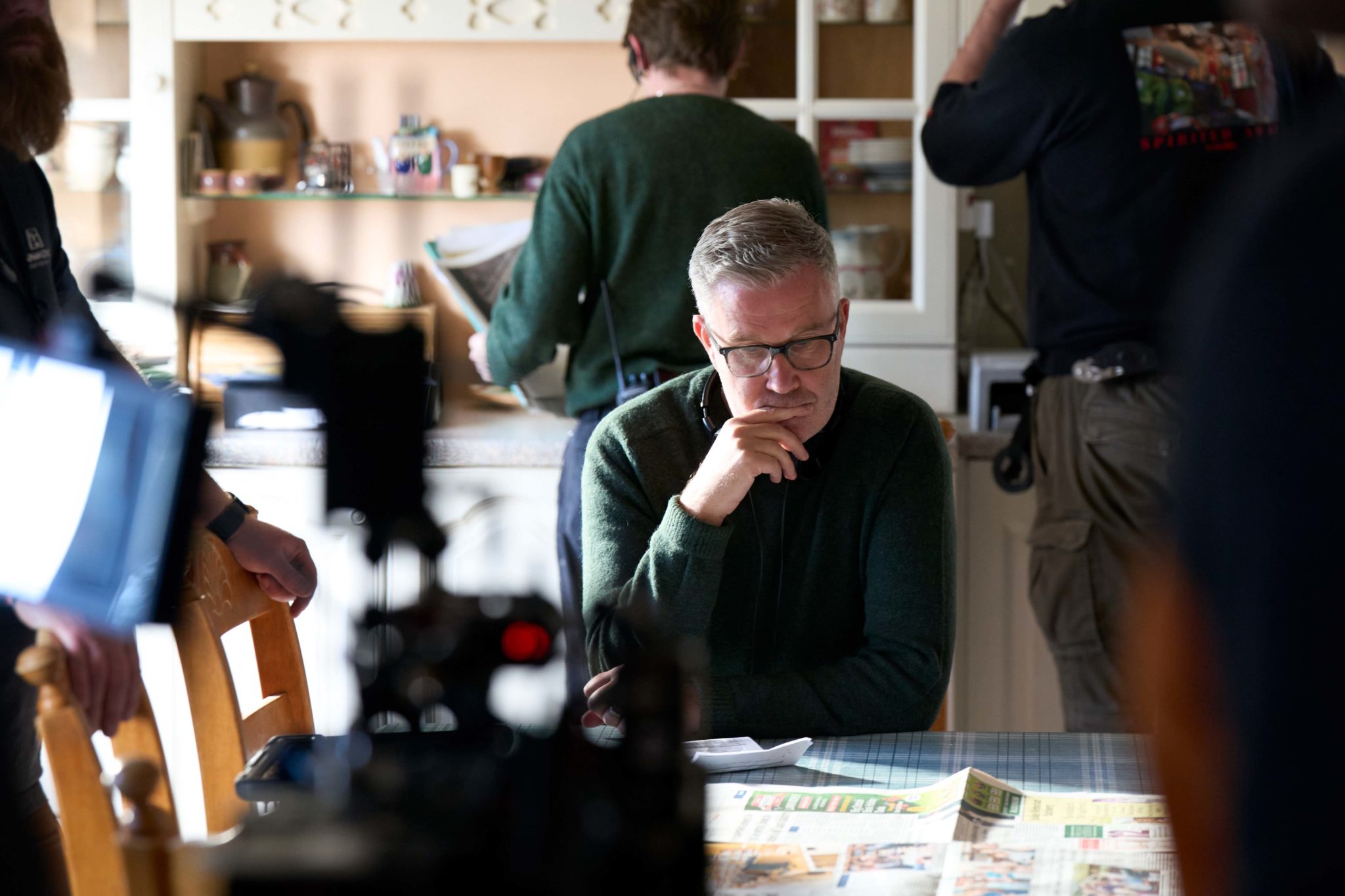
Frank Berry
“We came up with a term called HQ, which is Catherine’s HQ, which is a seat at the table,” Berry explains. “The locations and the world the film depicts are very ordinary, and there’s a power in that. All we had to do was be truthful, and then the horror emerging from that real world is even more horrific.”
That restraint extends to the performances. Characters rarely explain the enormity of what they are discovering, but it becomes evident. Civil servants hand over boxes containing hundreds of babies’ death certificates with a haunted look.
The caretakers of graveyards go through lists of names with Catherine, the weight of all the missing children laying heavy in the silence between them. When an official phones Catherine to tell her that the bones of hundreds of babies were found in a substructure of a septic tank on the grounds of the home, the language is matter-of-fact – but both women’s voices falter, the overwhelming emotion threatening to break through the phone.
The accumulation of things spoken and unspoken inevitably evokes Ireland’s long culture of silence around institutional abuse. For Berry, Corless’s achievement was not solely uncovering evidence; her work helped create a space in which survivors could finally speak and find one another.
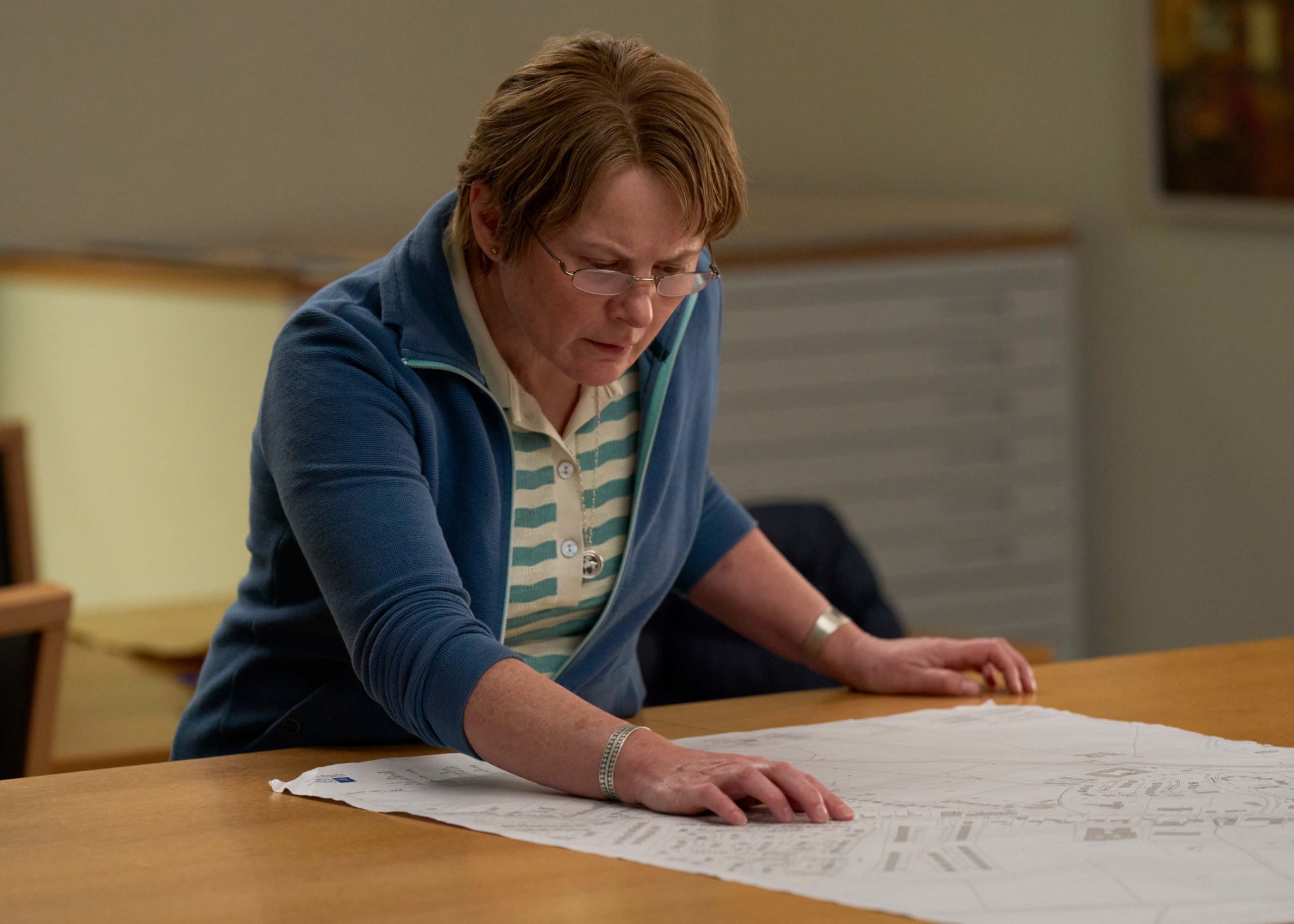
“She’s breaking the silence, and she’s allowing people the space to connect,” he says. “What we wanted to do in the latter part of the film was show that community builds and grows, and that this unassuming, modest, ordinary woman – through very pure motives and moral conviction – can almost, through kindness, lead a community in this direction. You could say she’s had that impact across the country.”
Survivors themselves became part of the filmmaking community. Berry met many through Corless over several years, while people with lived experience were also present during production and appeared as extras.
“Having them on set was really important because it just keeps everything focused,” Berry says. “The aim of the film is to be truthful, so it’s important to have lived experience present. The phrase I often use is, ‘Nothing about us without us’. It gives the film an integrity.”
But their involvement also heightened his awareness of how much remains beneath the surface in Ireland.
“There’s so much trauma in Ireland,” he says. “From industrial schools, Magdalene laundries, Mother and Baby Homes. There is so much present we don’t talk about. I was careful not to identify survivors as survivors, because there are so many. They’re everywhere, really. You don’t know what somebody is bringing or why they wanted to engage with the film. That’s the type of sensitivity that is important.”
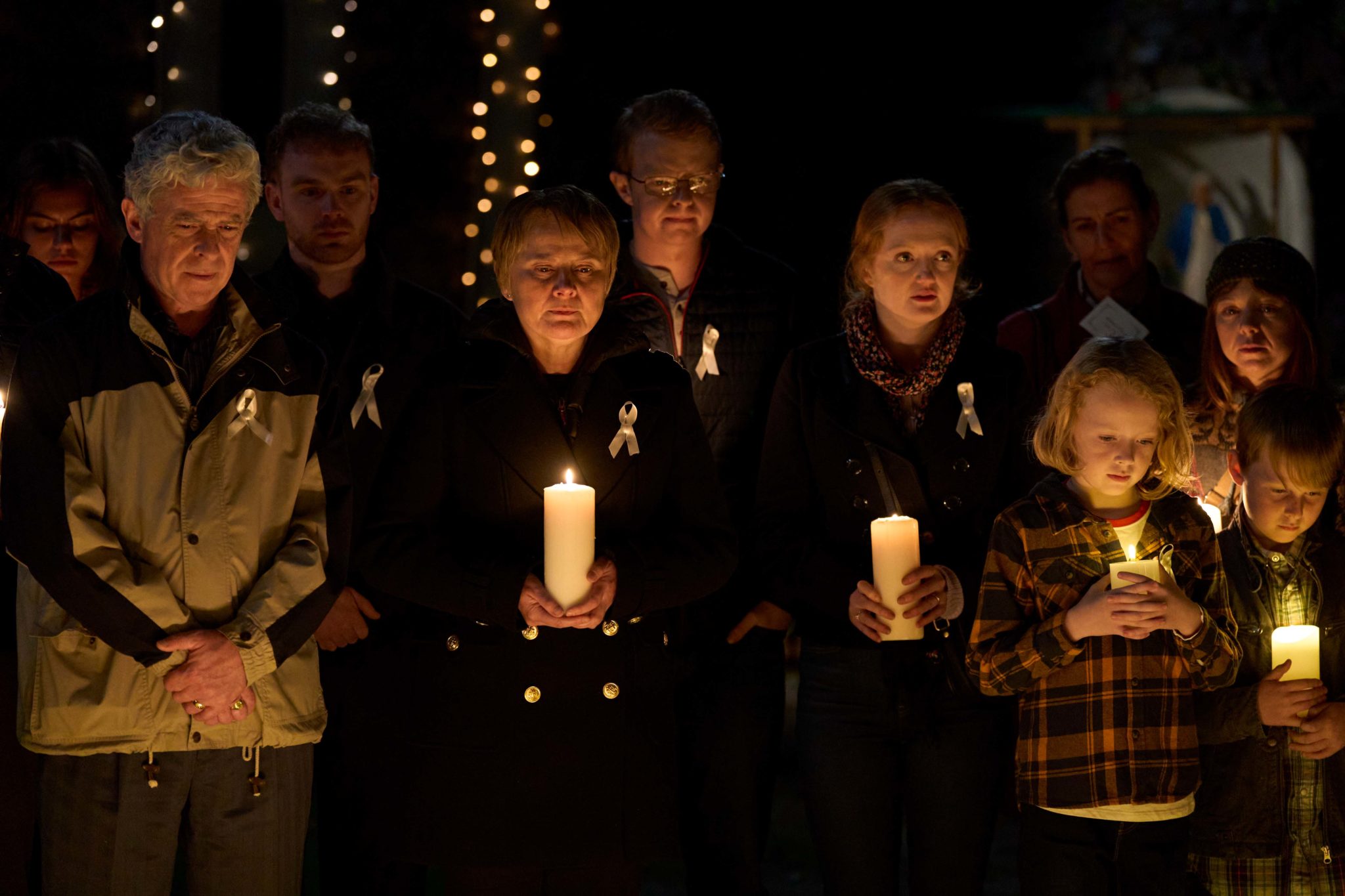
Making the film also meant confronting the immense damage inflicted by institutions that claimed moral authority over Irish life.
“My position is the same as so many people at this point, which is one of feeling really angry about the way Ireland was, and the cruelty inflicted upon Irish people,” Berry says. “When you’re making a film like this, you go on a journey, and you speak about the subject to a lot of people. It becomes clear the extent of the damage and the wounds that exist under the surface throughout Ireland.”
Before the end credits, a title card reveals that 9,000 children died in 18 Mother and Baby Homes between 1922 and 1998. It’s unthinkable, and horrific, and Berry says that through speaking with survivors, the depth and details of the horrors continued to unfold.
“The shocks are constant, and they’re vast and disparate,” he says. “The callousness of taking a child off a young mother, and the attitudes of the clergy and religious institutions towards so-called illegitimate children and their mothers. The way the children were buried, and the disregard really for them, and the frequency at which they were dying, it’s just utterly heartbreaking and hard to fathom.
“Every survivor, you could make the most devastating feature film on their experiences. And of course the people who didn’t survive, the poor individuals who had a right to a life as much as anybody.”
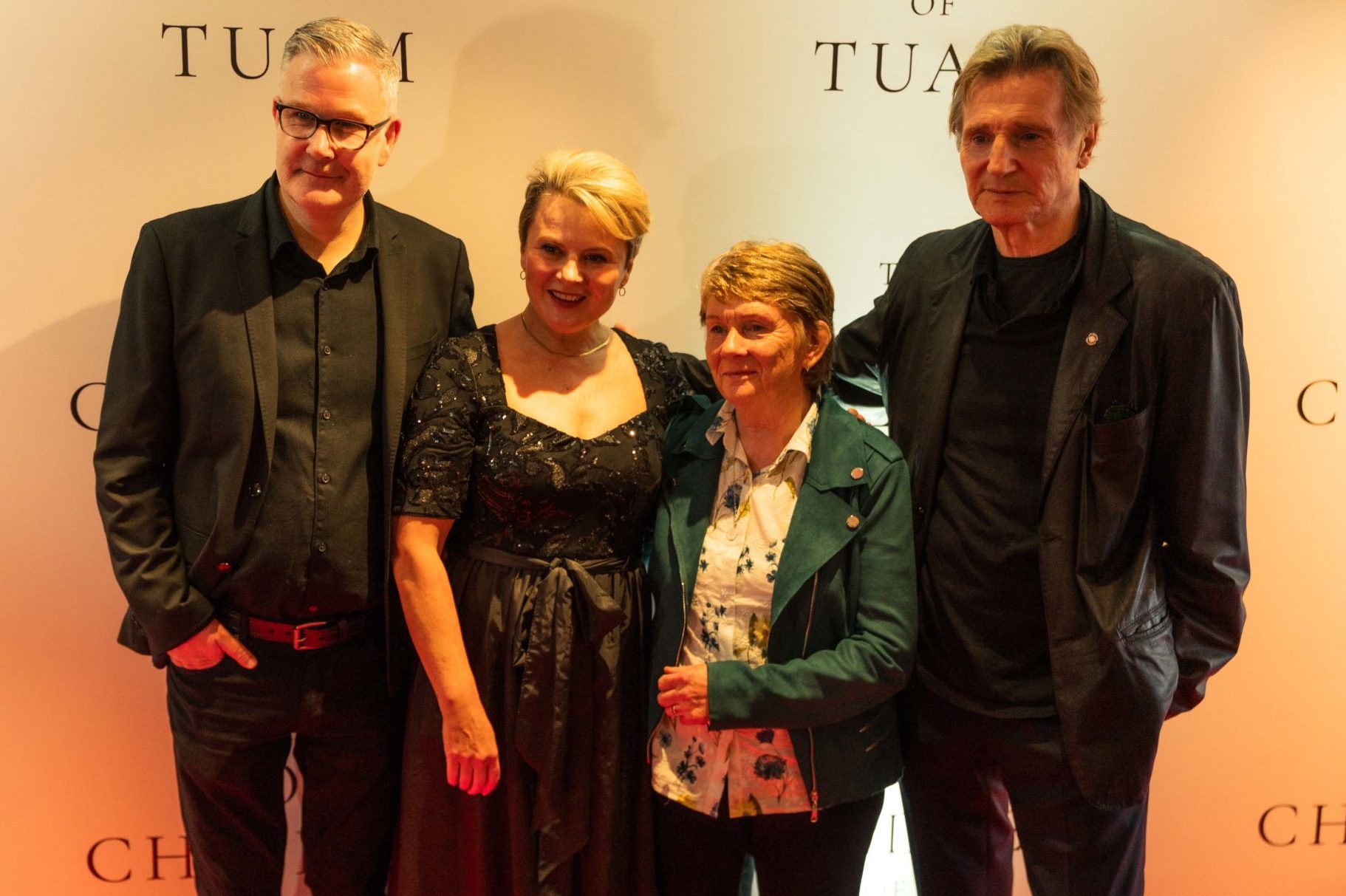
The Lost Children of Tuam at the Lighthouse Cinema / copyright Patrik Meier/hotpress.com
The story, crucially, is not over. Excavation at the Tuam site is ongoing. But what Catherine Corless has done has changed Ireland forever.
“What Catherine achieved, in addition to all this incredible research and the results of that and the government commission – a nationwide reckoning – really what’s incredibly inspiring about the film is the community that she created,” says Berry. “This is a film about community. It’s about Ireland and it’s about people like Catherine.”
• The Lost Children Of Tuam is in cinemas now.
RELATED

- Film And TV
- 08 May 23
IFTA winners include The Banshees of Inisherin, Aisha, and Bad Sisters


- Film And TV
- 29 Oct 21
Josh O’Connor & Paul Mescal to star in gay romance film The History of Sound
RELATED

- Film And TV
- 14 Oct 26
Prime Video release trailer for Muhammad Ali series The Greatest


- Film And TV
- 14 Oct 26
Lena Dunham's Girls to return for a limited run

- Film And TV
- 13 Oct 26
Breaking Bad actor RJ Mitte has died

- Film And TV
- 12 Oct 26
Sacha Baron Cohen to star in Quentin Tarantino's debut West End play

- Film And TV
- 12 Oct 26